TPO Single-Ply Roofing in Bend, OR
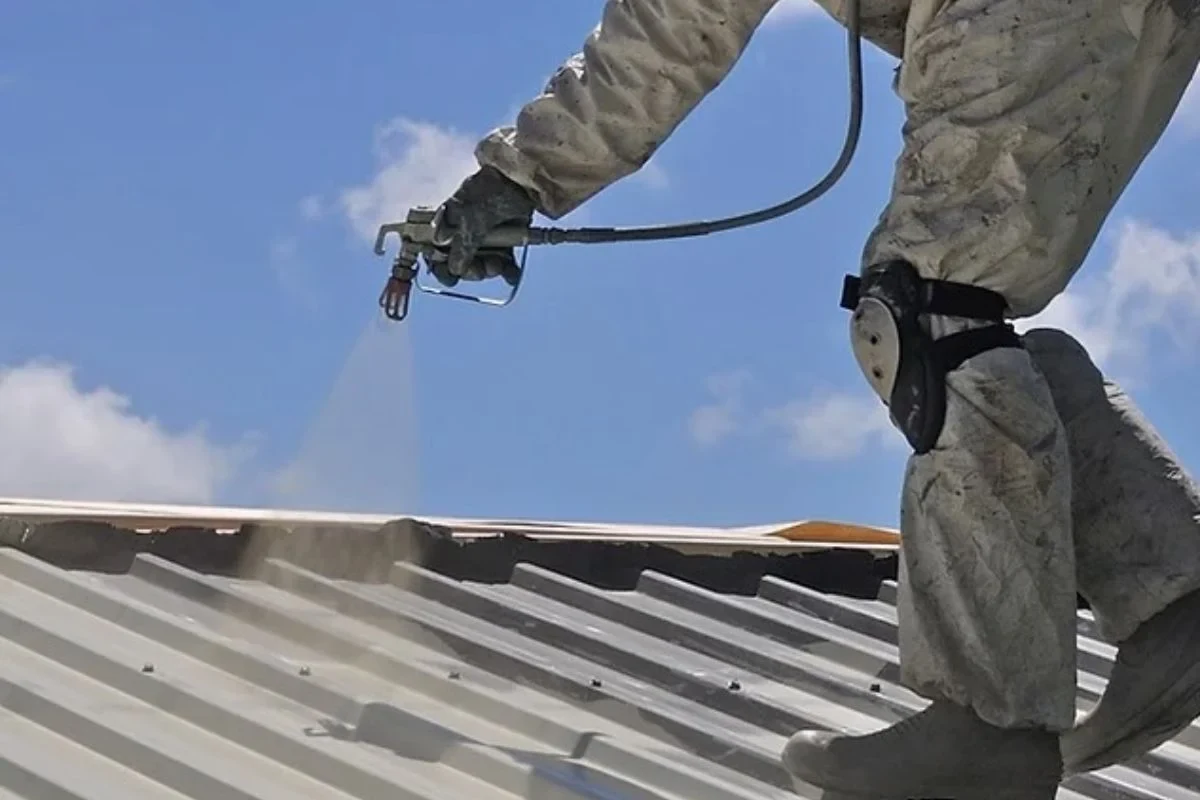
TPO single-ply roofing for Bend, OR commercial buildings. Heat-welded seams and reflective membrane planned around high-desert UV and snow load.
How TPO Seams Hold Up Under Bend's High-Desert Sun
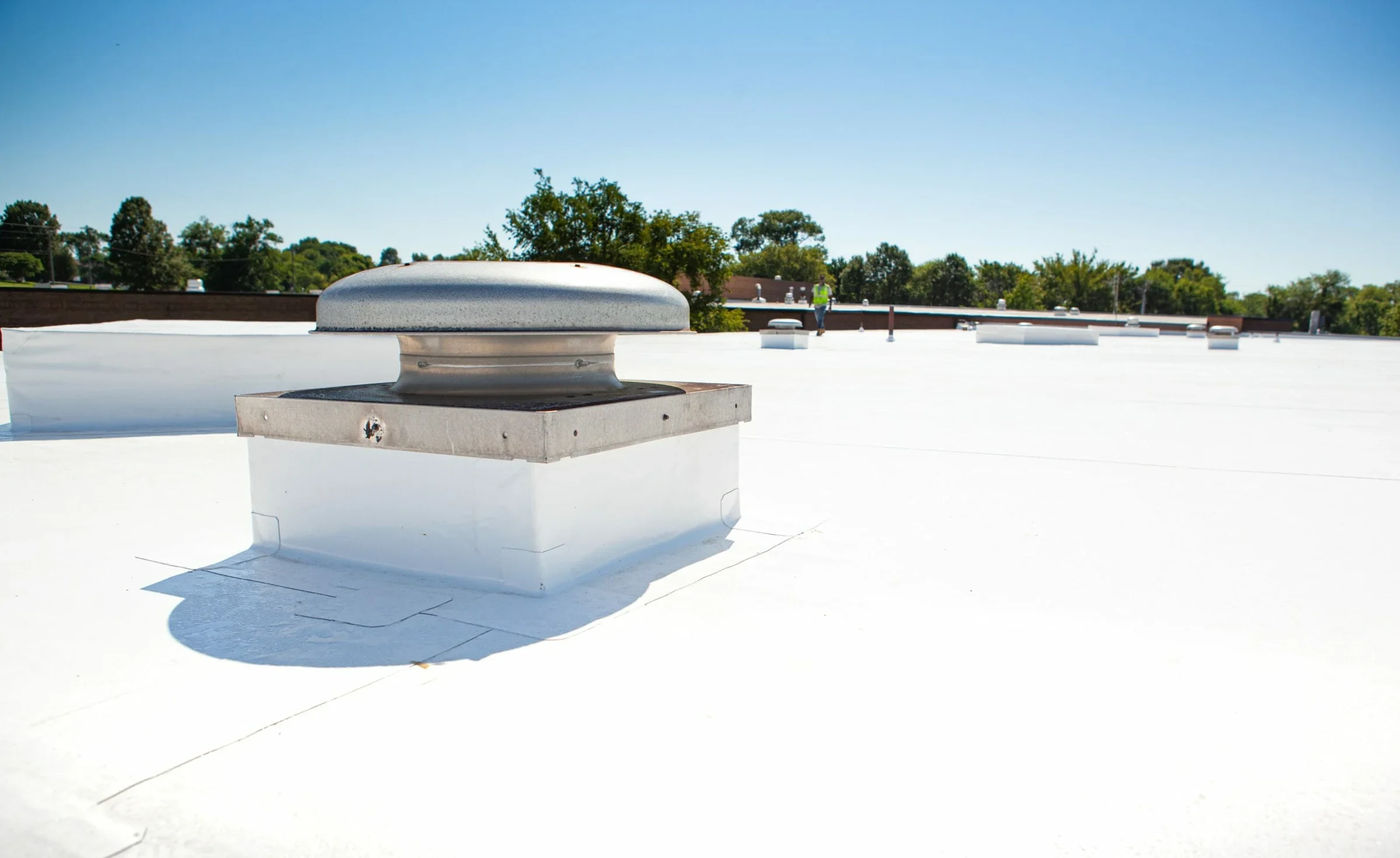
TPO has become the roof membrane we install most often on new commercial buildings going up around Bend, and there's a practical reason for that beyond cost. The white, reflective surface pushes back a meaningful share of the intense ultraviolet load this elevation delivers, which matters more here than it does in a lot of the country. We've watched TPO roofs hold their reflectivity and seam integrity for years longer than the darker membranes we still service on older buildings around town.
Reflectivity Matters More at 3,600 Feet
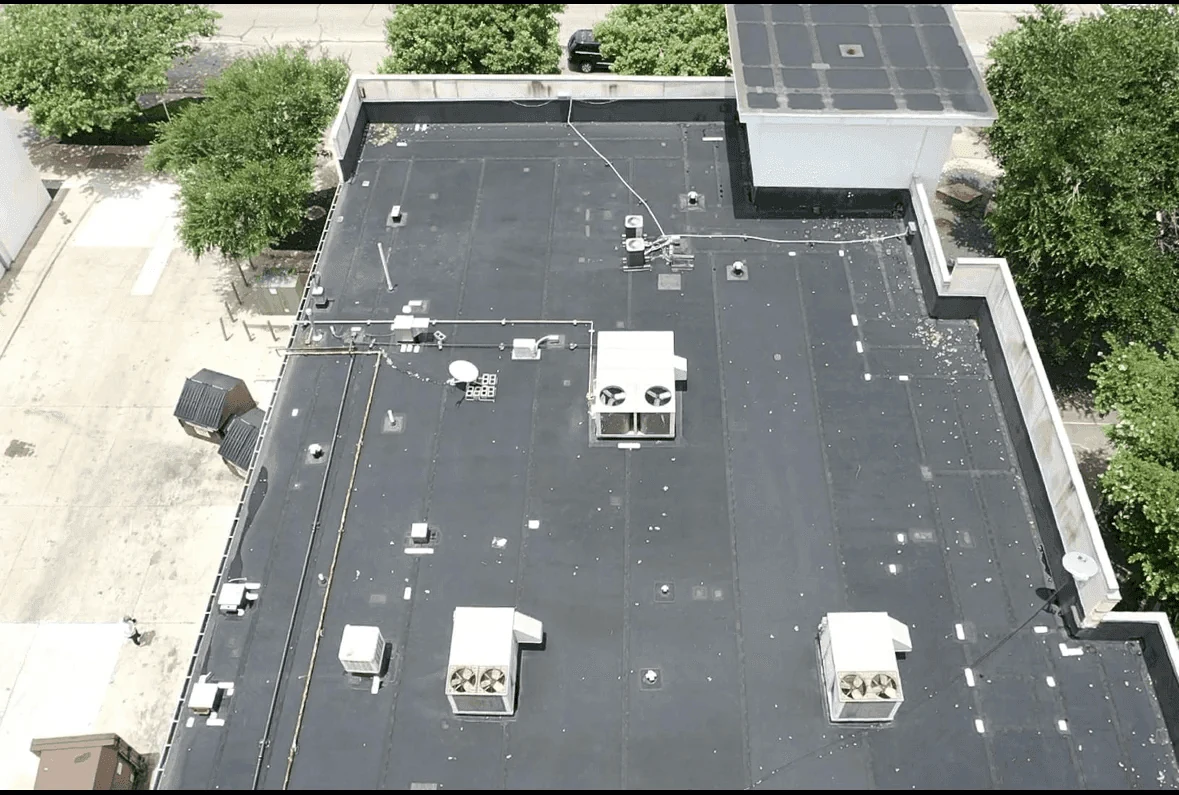
Sun exposure at Bend's elevation is noticeably stronger than what a roof would see closer to sea level, and a low-slope membrane takes the brunt of it every clear day from spring through fall. TPO's factory-white or light-gray surface keeps rooftop surface temperatures well below what a black EPDM roof reaches on the same building, and that lower operating temperature slows the aging process that eventually cracks seams and stiffens membrane material.
That reflectivity also helps with rooftop mechanical equipment. Hotels and medical buildings running HVAC units around the clock benefit when the roof surface underneath isn't adding extra heat load, and we've had property managers tell us their cooling costs noticeably dropped after a dark modified bitumen roof was replaced with TPO.
Heat-Welded Seams and Freeze-Thaw Movement
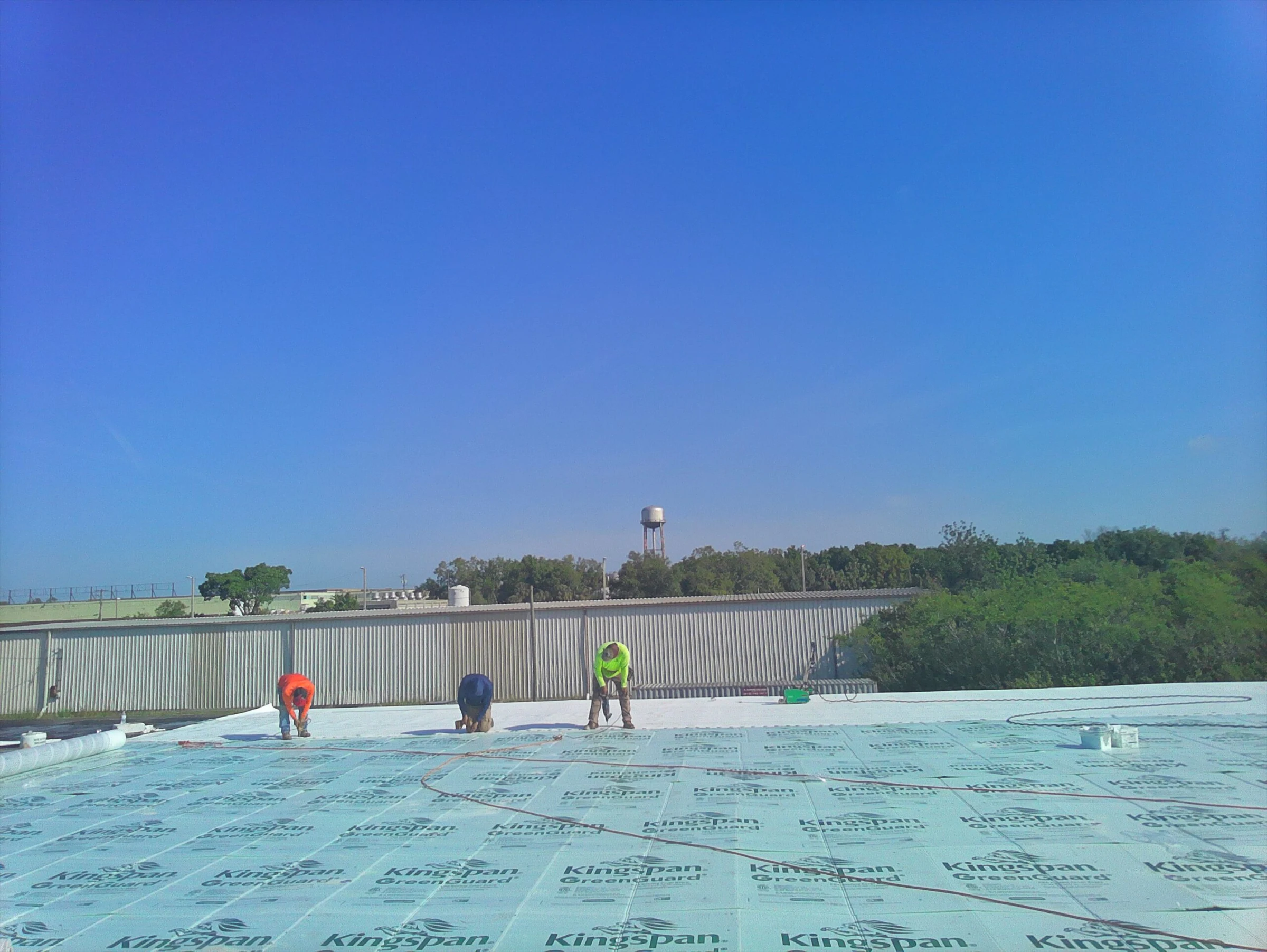
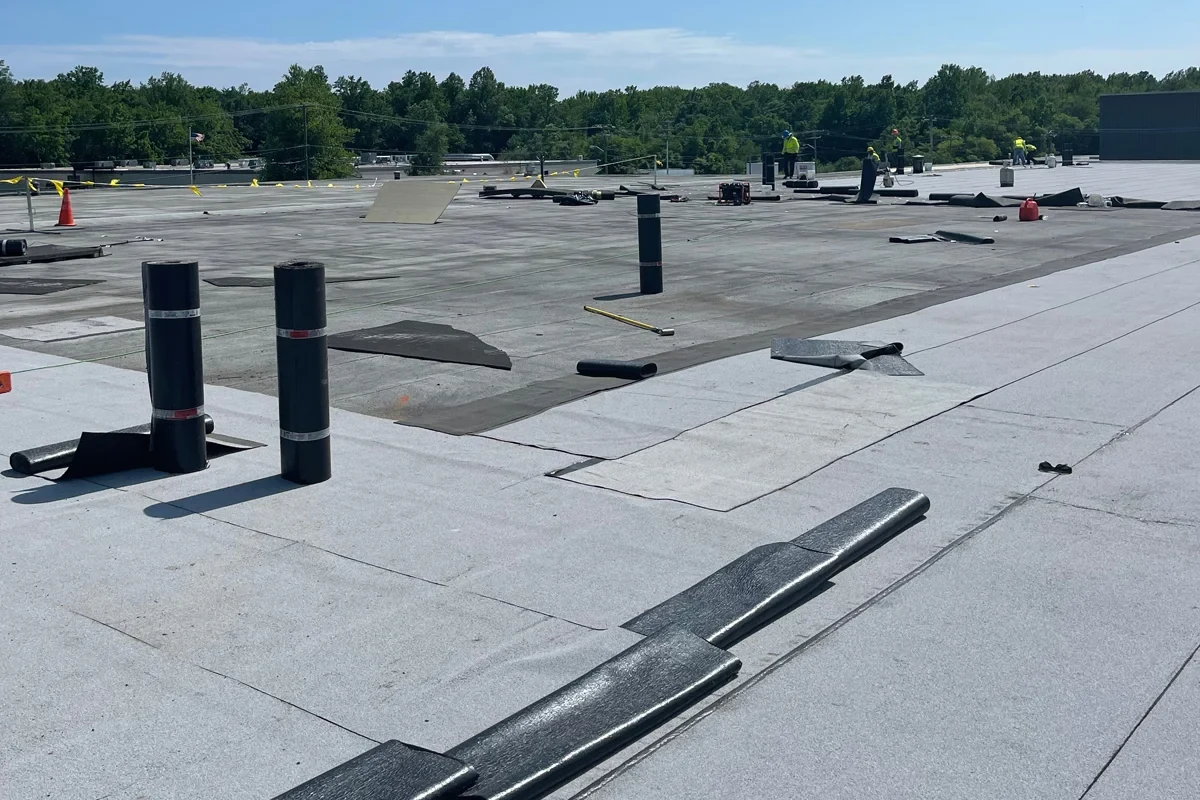
TPO seams are hot-air welded into a single continuous sheet rather than glued or taped, which gives them real strength against the freeze-thaw cycling Bend goes through most winters. A membrane that expands and contracts repeatedly between single-digit nights and 40-degree afternoons needs seams that move as one piece with the field of the roof, not a lap joint that's only as strong as its adhesive. We test seam strength during installation and again at every inspection, because a weld that looked good on installation day can still open up after a few winters of that kind of cycling if it wasn't done at the right temperature and dwell time.
We've also seen contractors from outside the area install TPO using seam settings tuned for a milder climate, and it shows up a season or two later as peeling laps around penetrations and parapet walls. Getting the weld right for our temperature swings isn't optional here.
Where We're Installing TPO Around Bend
The hospitality growth along the Bend Parkway and in the Old Mill District has put a lot of new TPO on hotel and mixed-use roofs. Breweries expanding production space have specified it for the same reflectivity reasons, plus it holds up reasonably well against the steam and grease-laden air that comes off brewhouse and kitchen exhaust. We're also seeing more TPO on medical office and retail strip roofs in Redmond and around the airport corridor, where owners want a roof they won't have to think about for fifteen to twenty years. See our PVC roofing page for buildings with heavier chemical exposure.
Snow Load and Roof Slope
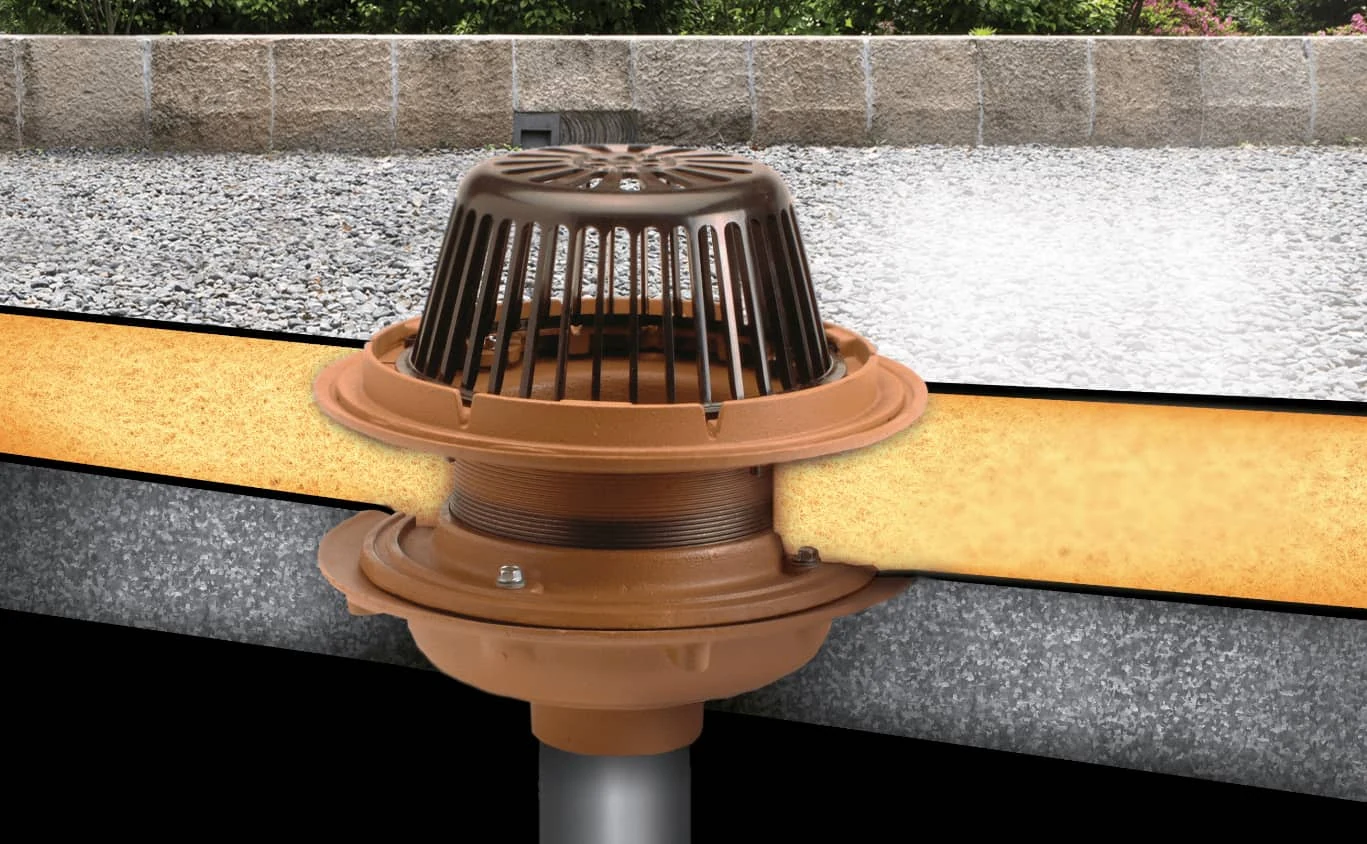
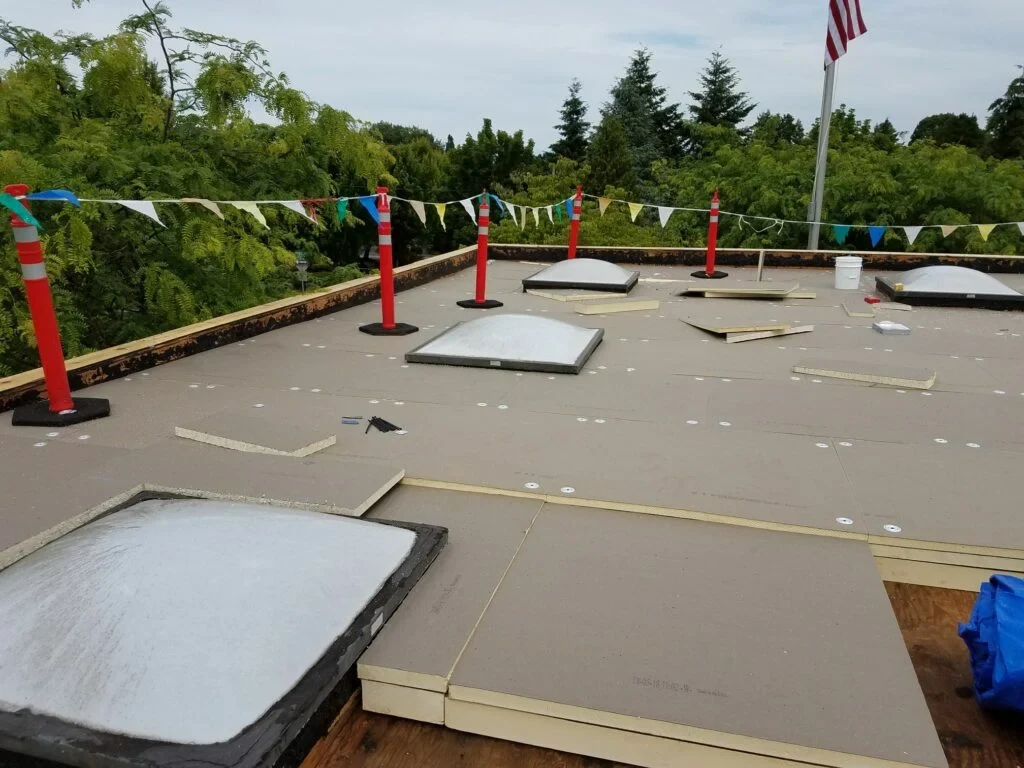
TPO performs fine under Central Oregon snow loads as long as the drainage underneath was designed for real accumulation, not a light dusting. We check that tapered insulation systems actually route water and meltwater to drains instead of letting it pond at low points, because ponding water sitting against a TPO seam for weeks at a time during spring thaw is one of the more common ways we see premature seam failure here. A membrane rated correctly and installed with proper slope will shed that load without issue; one installed flat on a roof deck that was never sloped right will fight you every winter.
What We Check on a TPO Inspection
- Seam integrity at every lap, with particular attention to T-joints and penetration details
- Membrane surface for chalking, punctures, or UV-related surface degradation
- Flashing at parapets, curbs, and rooftop equipment for separation after freeze-thaw movement
- Drain and scupper function, checked for debris and proper slope toward them
- Fastening pattern and plate condition on mechanically attached systems
- Signs of foot traffic damage near rooftop units and maintenance access points
- Ponding water locations mapped after a rain or snowmelt event
Common Questions About TPO in This Climate
Does TPO actually last longer here than in a milder climate?
Membrane life depends more on installation quality and UV exposure than on cold alone, and TPO's reflectivity works in its favor against Bend's strong sun. We generally see well-installed TPO systems perform reliably for fifteen to twenty-plus years here when seams were welded correctly from the start.
Can TPO handle heavy snow load without extra reinforcement?
The membrane itself isn't what carries snow load, the roof deck and structure are. What we focus on is drainage and slope so meltwater doesn't sit on the membrane and stress seams during spring thaw.
Is TPO a good fit for a brewery roof with rooftop exhaust and CO2 venting?
Generally yes, though we pay close attention to penetration flashing details around exhaust stacks and any grease-laden air paths, since those spots see more wear than the open field of the roof.
How is TPO different from PVC for a building here?
Both are heat-welded single-ply membranes with similar reflectivity. PVC tends to hold up better against direct grease and chemical exposure, which is why we lean toward it for some restaurant and industrial applications, while TPO is usually the more cost-effective choice for general commercial roofs.
What's the biggest installation mistake you see with TPO around here?
Seam welds done at settings meant for a warmer, wetter climate. It's the most common cause of the early lap failures we get called out to repair on roofs installed by out-of-area crews.
Related
Ready to review the roof scope?
Request a Roof Assessment