GAF Commercial Roofing Systems in Bend, OR
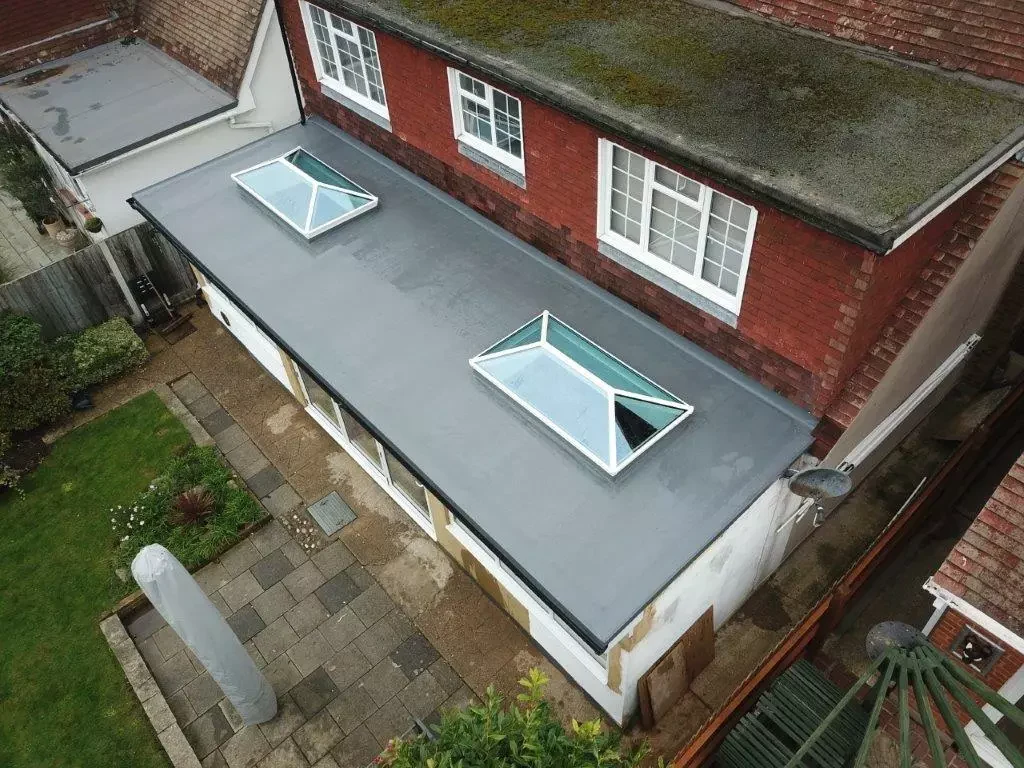
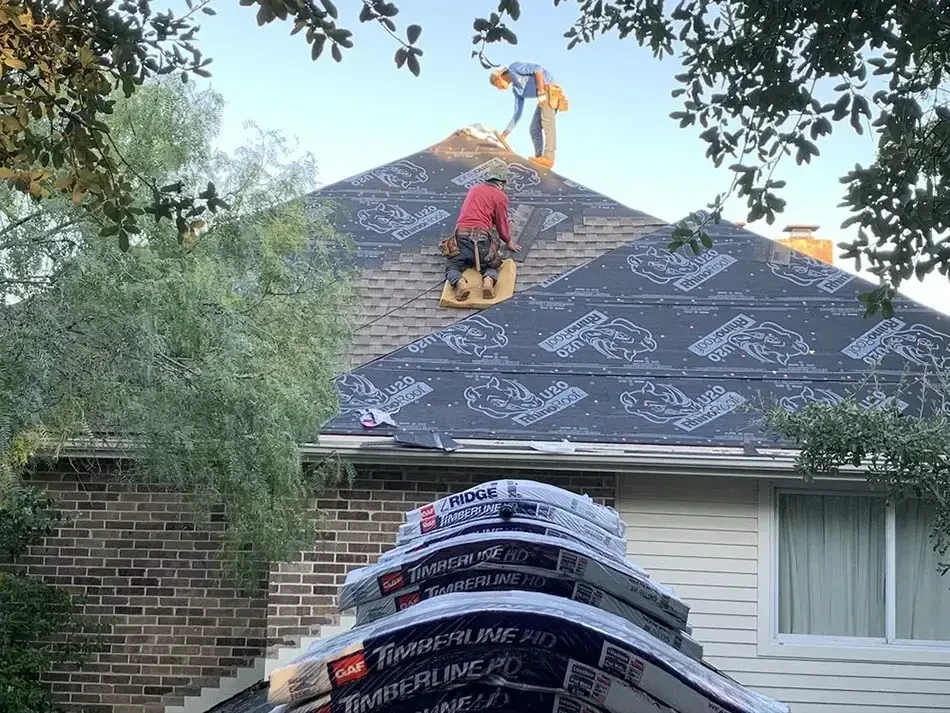
GAF EverGuard TPO and commercial roofing systems installed on Bend buildings, specified for high-desert UV exposure and Cascade region snow load.
GAF Commercial Systems on Bend Roofs
GAF's commercial roofing line centers on its EverGuard TPO membranes along with asphaltic and modified bitumen products, giving us another manufacturer option when a Bend project's specifics call for it. Which manufacturer we spec comes down to the roof's structural needs, the owner's warranty priorities, and how a given product line performs under our elevation and climate - not brand preference alone.
GAF entered the commercial single-ply market later than some of its competitors, drawing on decades of asphaltic roofing manufacturing experience, and that background still shows in the depth of its modified bitumen and built-up roofing catalog alongside the newer TPO line. For a Bend building with a mixed-age roof or a history of asphaltic patch work, that product depth can matter when matching a recover system to what's already up there.
EverGuard TPO for Standard Low-Slope Applications
GAF's EverGuard TPO line covers standard and reinforced membrane thicknesses similar to other major manufacturers, and we spec it on straightforward low-slope roofs - retail, office, light-industrial buildings around the Highway 97 corridor - where a proven single-ply system without unusual traffic or chemical exposure is the right fit.
As with any TPO system here, fastening density and seam overlap get calculated against the specific roof's wind exposure rather than pulled from a generic pattern, since Bend's elevation and daily temperature swings put more stress on seams than a lower, cloudier market would see.
Asphaltic and Modified Bitumen Options
GAF has a long history in asphaltic roofing products, and that heritage carries into their modified bitumen offerings, which we consider on complex roof geometry or recover projects over existing built-up or modified bitumen systems. A multi-ply asphaltic system gives redundancy at transitions and penetrations that a single-ply membrane can't match, which matters on the mountain-lodge-style buildings with irregular rooflines we see around Sunriver and Black Butte Ranch.
We favor cold-applied and self-adhered application methods over torch-applied on most jobs here given how much dry forest surrounds parts of Bend and the fire restrictions that come with it during summer months.
Wind Uplift and Fire Ratings for High-Elevation Buildings
Manufacturer wind uplift and fire rating documentation gets checked against each project's specific requirements before we finalize a spec. Roof exposure category depends on parapet height, surrounding structures, and roof geometry, and two buildings a short distance apart can carry different exposure ratings even under the same general climate conditions.
We review GAF's current published ratings for the specific product being considered rather than assuming a system that worked on a previous job automatically fits the next one, since product formulations and testing data get updated periodically.
Warranty Considerations on GAF Installations
Warranty terms on GAF commercial systems, like other major manufacturers, depend on proper installation matching the manufacturer's published assembly requirements. We follow that documentation closely and keep installation records, fastening patterns, and seam testing results on file as part of warranty registration.
Where local experience adds value on top of the baseline spec is knowing where Bend's climate pushes us to be more conservative than the minimum requirement - tighter seam overlap on sun-exposed roofs, closer attention to drain sizing ahead of spring snowmelt, and more careful cold-weather welding protocols during shoulder-season installs.
Factors in Choosing a GAF System for a Bend Project
- Roof geometry and whether a single-ply or multi-ply approach fits the building better
- Whether the project is new construction, a tear-off, or a recover over an existing system
- Sun exposure and reflectivity needs for the specific roof orientation
- Manufacturer wind uplift rating requirements for the building's exposure category
- Fire restrictions affecting torch-applied versus cold-applied installation methods
- Owner preferences around warranty length and product line familiarity
Installation Approach on GAF Jobs Here
Hot-air welding protocols for GAF TPO follow the same cold-weather approach we use across single-ply systems in Bend - surface temperature over air temperature, with peel testing on the day's first seams before committing to a full run. On modified bitumen work, we plan around cold-applied adhesive cure times and track extended forecasts closely once a roof section is opened.
We document the specifics of every GAF installation for the owner's records and as part of the manufacturer's warranty process, covering fastening patterns, seam testing, and any deviations from standard spec made to address a specific roof condition.
Questions About GAF Roofing Systems in Bend
How does GAF EverGuard TPO compare to other manufacturers?
Performance characteristics across major manufacturers' TPO lines are broadly similar at a given membrane thickness. Our recommendation usually comes down to warranty terms, specific product availability, and how a system fits the roof's particular needs.
Does GAF offer modified bitumen products suited to complex roofs?
Yes, GAF's asphaltic and modified bitumen line covers multi-ply systems we consider on roofs with irregular geometry or on recover projects over existing built-up roofing.
Do you install GAF systems with torch application?
Rarely in Bend. We favor cold-applied and self-adhered methods given the fire risk considerations tied to the surrounding dry forest during summer months.
What determines the warranty length on a GAF roof?
Warranty length depends on the specific product, membrane thickness, and installation meeting GAF's published requirements. We confirm current terms against the manufacturer's documentation before finalizing a project.
Can a GAF system be used to recover an existing roof?
Often yes, if the existing deck and insulation are dry and structurally sound and code allows the added layer. We verify that with core cuts before recommending a recover over a tear-off.
Related
Ready to review the roof scope?
Request a Roof Assessment