Roofing for Manufacturing Facilities in Bend, OR
Roof repair, coatings, and replacement for light manufacturing and production buildings around Bend and Prineville, scheduled around shift operations.
A Production Floor Roof Has to Stay Open the Whole Time We're Working
Commercial Roofing of Bend works on the roofs over light manufacturing and production buildings in the Juniper Ridge and Second Street industrial areas and out toward Redmond and Prineville, where outdoor gear makers, millwork producers, and data center operations have built a real industrial base into the high desert. A production line doesn't stop for a roof crew, so we plan around that from the first site visit.
An Industrial Base Built on Wide Clear-Span Buildings
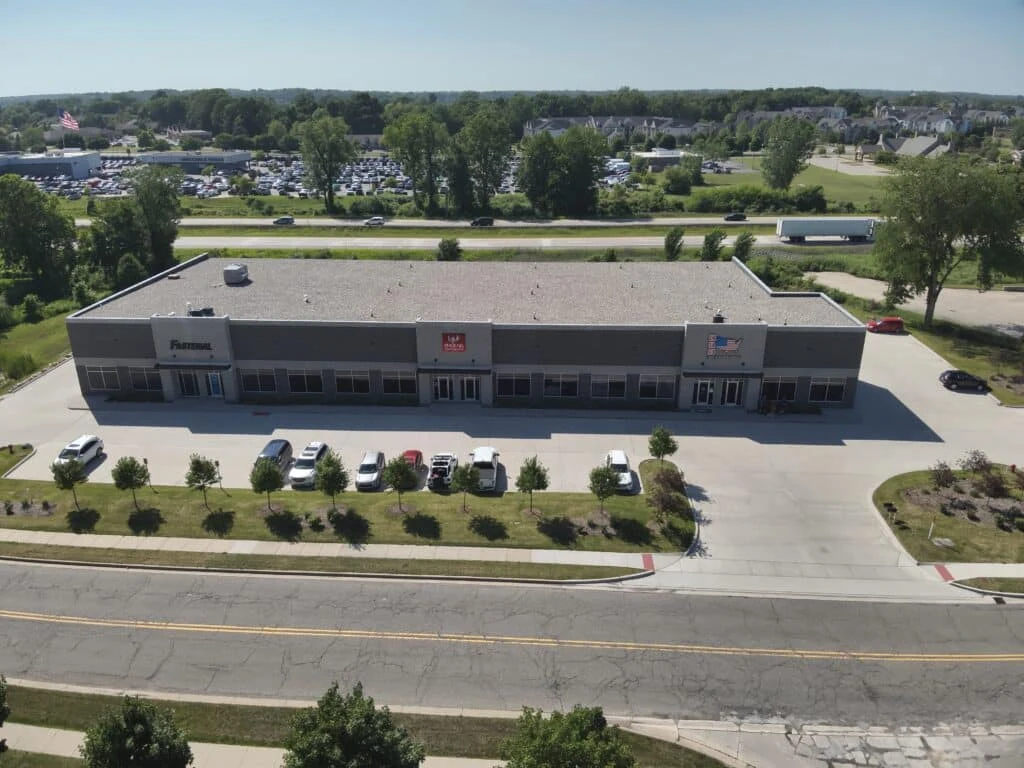
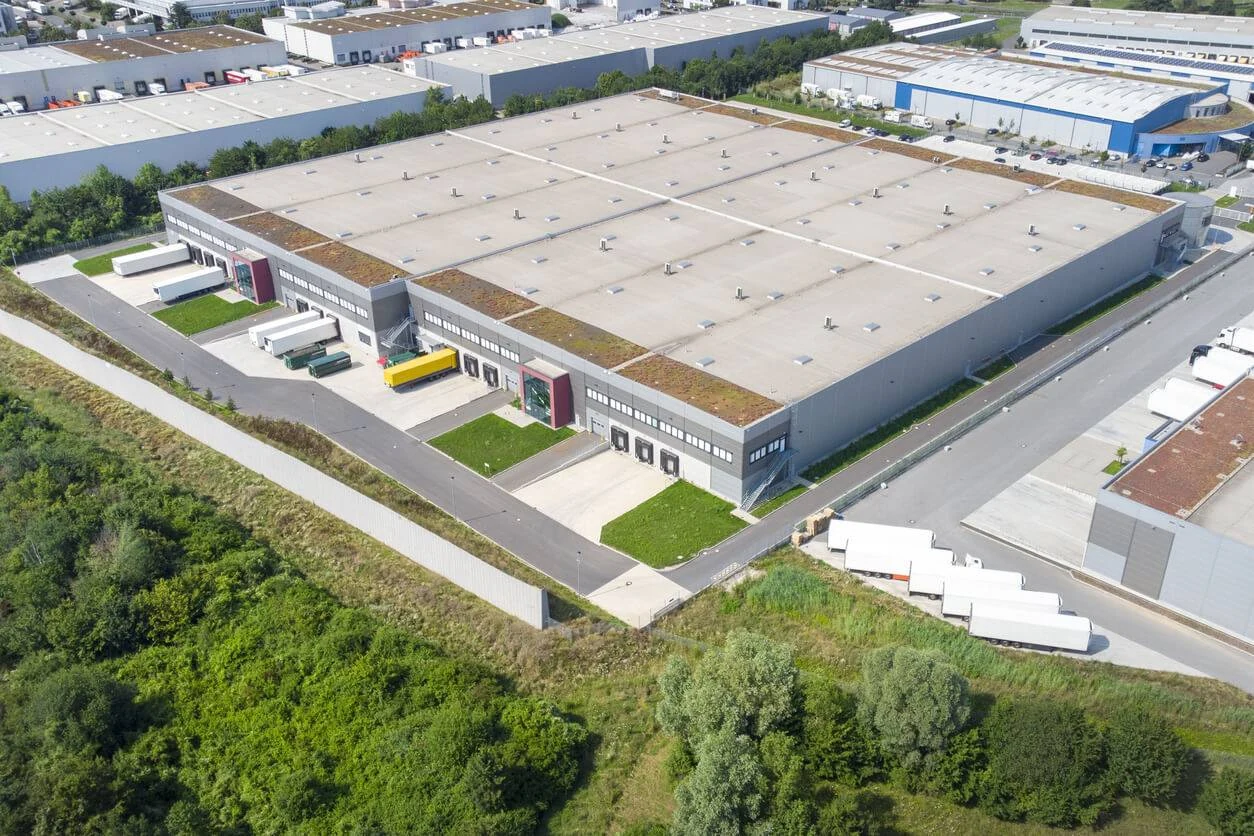
Manufacturing and production space around Bend tends to mean large, low-slope metal buildings with wide clear spans, whether it's an outdoor gear producer's manufacturing floor, a millwork operation like the ones based out of Madras, or a distribution and light-assembly building near the Prineville data center corridor. Those wide spans put more roof area between structural supports than a typical retail or office building, and that changes how load and drainage get evaluated.
We look at deck fastening pattern, insulation condition, and drain sizing differently on a 40,000 square foot production floor than we would on a small office building, because a drainage failure in the middle of a wide span has nowhere nearby to go.
Internal drains on these buildings often run through the production space itself, which means a slow leak can travel along ductwork or structural steel before it ever shows up as a visible ceiling stain. We trace drain lines during inspection rather than relying only on where water appears to be coming from inside the building.
Snow Load on Wide Spans Behaves Differently Than People Assume
Uniform snow load across a small roof is a manageable design problem. On a wide clear-span production building, drift can pile up unevenly against rooftop units, parapets, or adjacent taller sections, creating a load concentration that's higher than the roof's uniform design load in that one area. We check those drift zones specifically during winter inspections rather than assuming the whole roof carries snow the same way.
Roof-mounted exhaust fans, dust collection ductwork, and process equipment common on production buildings also create obstructions that drift can pile against, and each one needs its own drainage and load check.
Minimal Downtime Scheduling Around Shift Operations
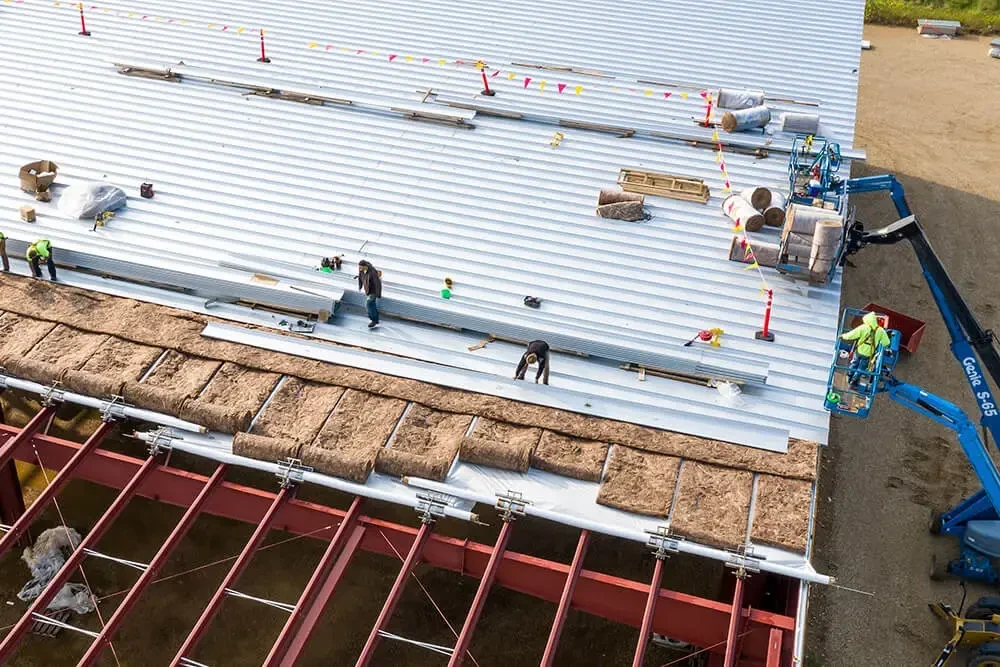
Manufacturing operations running multiple shifts don't have a natural closed window the way a retail store does after hours. We coordinate roof work around production schedules, staging material and equipment away from loading and shipping areas, and scheduling the loudest phases for shift changes or planned downtime whenever the operation can provide one.
Dust and debris control matters here in both directions: keeping roofing debris out of intake vents and process equipment below, and keeping any manufacturing dust or exhaust from affecting membrane adhesion during installation.
What Manufacturing Facility Roof Work Usually Covers
Across production and light-industrial buildings, our scope typically includes:
- Wide-span roof inspection with drift and drainage load checks
- Coating and restoration to extend roof life within a tight capital budget
- Full reroofing scheduled around production shift patterns
- Roof-mounted equipment curb and penetration review
- Emergency leak response prioritized around active process equipment below
- Preventive maintenance to catch drainage and seam issues before shutdown-level failures
- Documentation for insurance and capital equipment protection records
Coatings as a Capital-Efficient Option
Manufacturing operators often run tighter capital budgets on facility maintenance than on production equipment, and a full reroof isn't always the first move a plant manager wants to make. Where the existing membrane and deck are still sound, a coating system can extend service life at a fraction of replacement cost, buying time until a full reroof fits the capital plan.
We evaluate whether a roof is a realistic coating candidate honestly. A membrane with widespread seam failure or wet insulation underneath isn't a good coating candidate no matter how tight the budget is, and we say so rather than selling a short-term fix that won't hold.
Protecting What's Below the Roof
A roof leak over a production floor risks more than water damage to the building. Equipment, raw materials, and finished product sitting below a leak point can represent real losses that outweigh the roof repair cost many times over. We prioritize leak response on manufacturing buildings with that in mind, moving fast on temporary protection even before a permanent repair is scheduled.
Questions Plant and Facilities Managers Ask Us
Can roof work happen without shutting down production?
In most cases yes. We plan staging, access, and noisy work phases around your shift schedule and keep equipment away from loading and shipping areas.
How do you handle snow load on a wide clear-span production building?
We check drift zones near rooftop equipment and parapets specifically, since those areas can carry higher load than the roof's uniform design load during a heavy snow year.
Is a coating a realistic option for our aging roof, or do we need a full reroof?
It depends on membrane and deck condition. A roof with sound seams and no wet insulation is often a good coating candidate. A roof with widespread failure underneath isn't, and we'll tell you that directly.
How fast can you respond if a leak threatens equipment or product below?
Active leaks near equipment or inventory get priority response. Temporary protection is our first move, with permanent repair scheduled as soon as the area is safe to work.
Do you work on buildings with heavy roof-mounted exhaust or dust collection equipment?
Yes, we inspect every curb and penetration tied to process equipment individually, since those points see more mechanical stress and vibration than a standard rooftop unit curb.
Related
Ready to review the roof scope?
Request a Roof Assessment