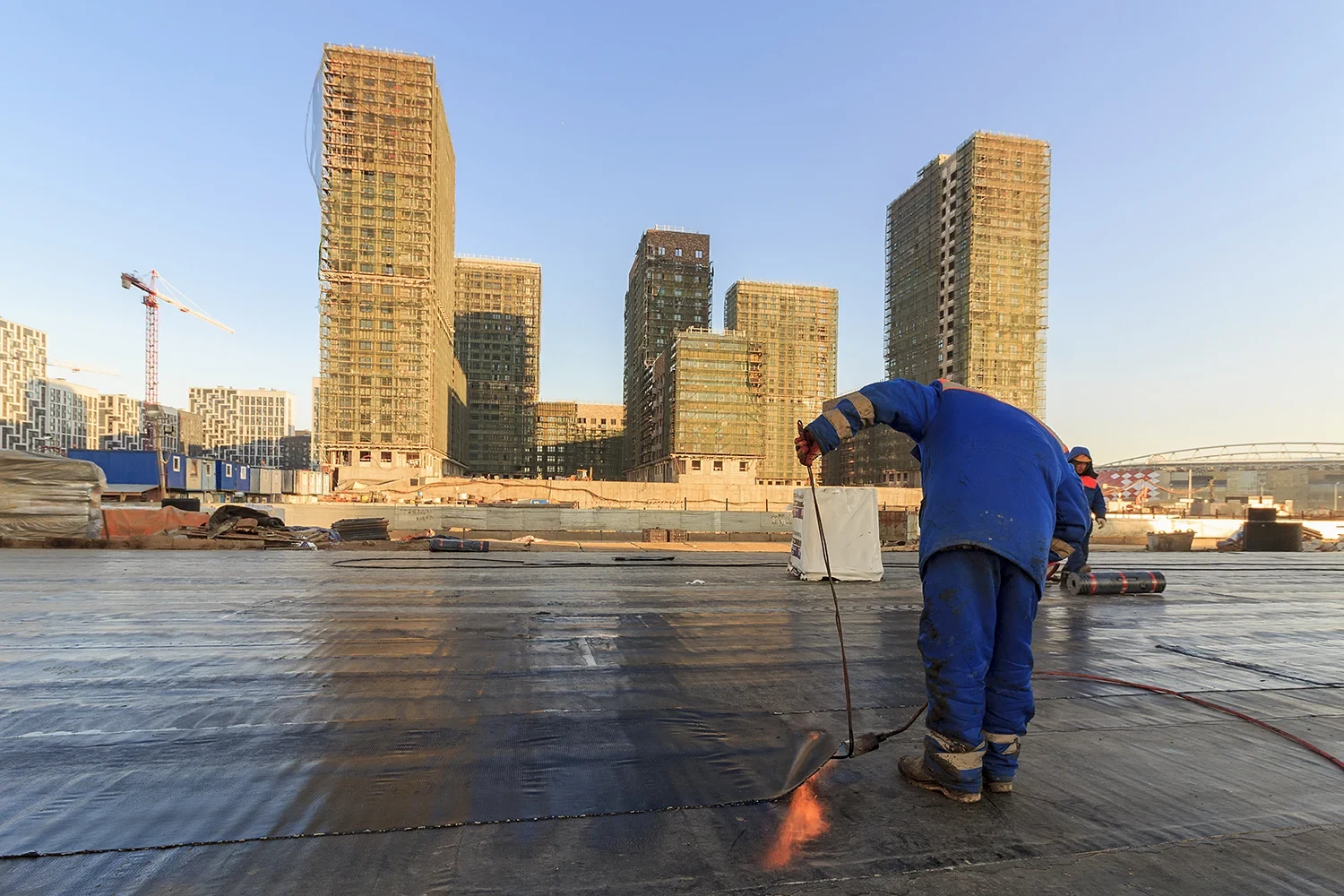
Built-Up Roofing in Bend, OR
Built-up gravel roof maintenance and repair for older Bend, OR commercial buildings, weighed against Central Oregon snow load and high-desert UV exposure.
Gravel-Surfaced Built-Up Roofs Still Working on Older Bend Buildings
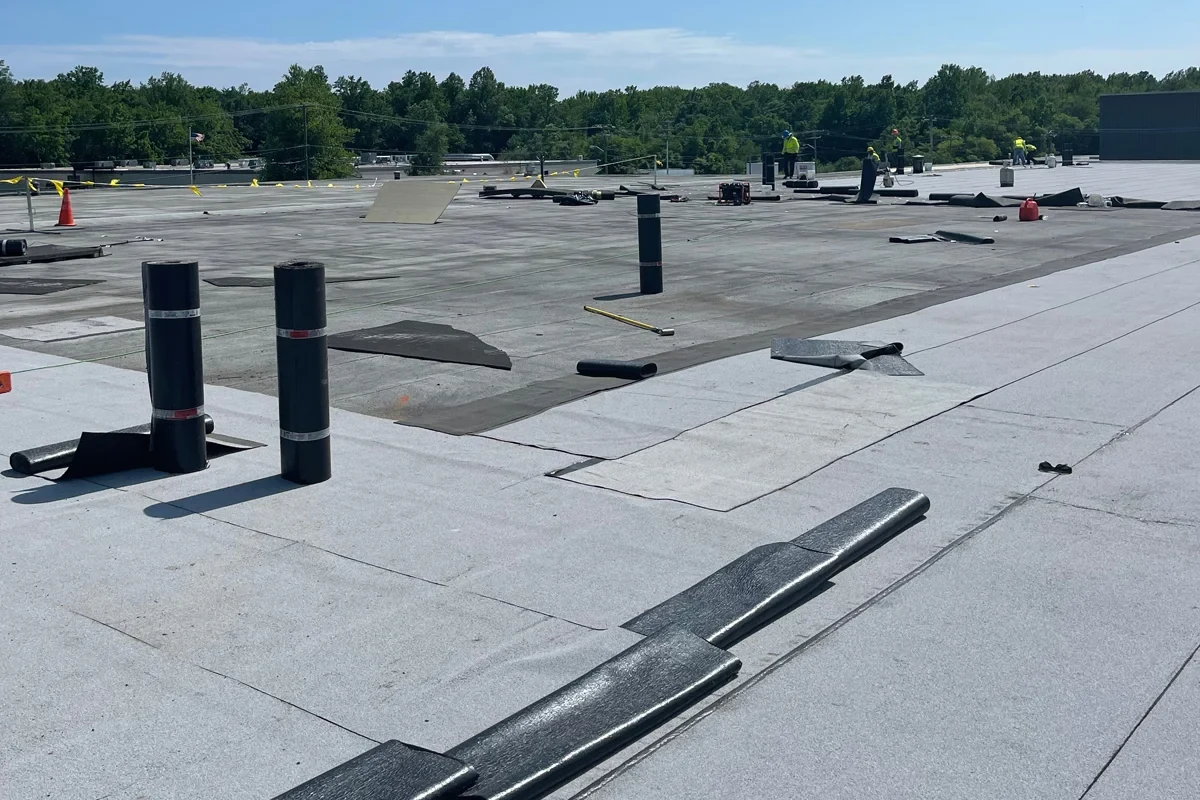
Built-up roofing is the oldest system we still service regularly around Bend, ply after ply of asphalt-saturated felt built up under a gravel or mineral cap sheet. A lot of the institutional and older downtown buildings we work on were roofed this way decades ago, and plenty of those roofs are still functioning today because BUR, done right and maintained, is genuinely durable. We don't push a tear-off on a BUR roof just because it's old if the plies underneath are still sound.
Why Gravel Surfacing Works Here
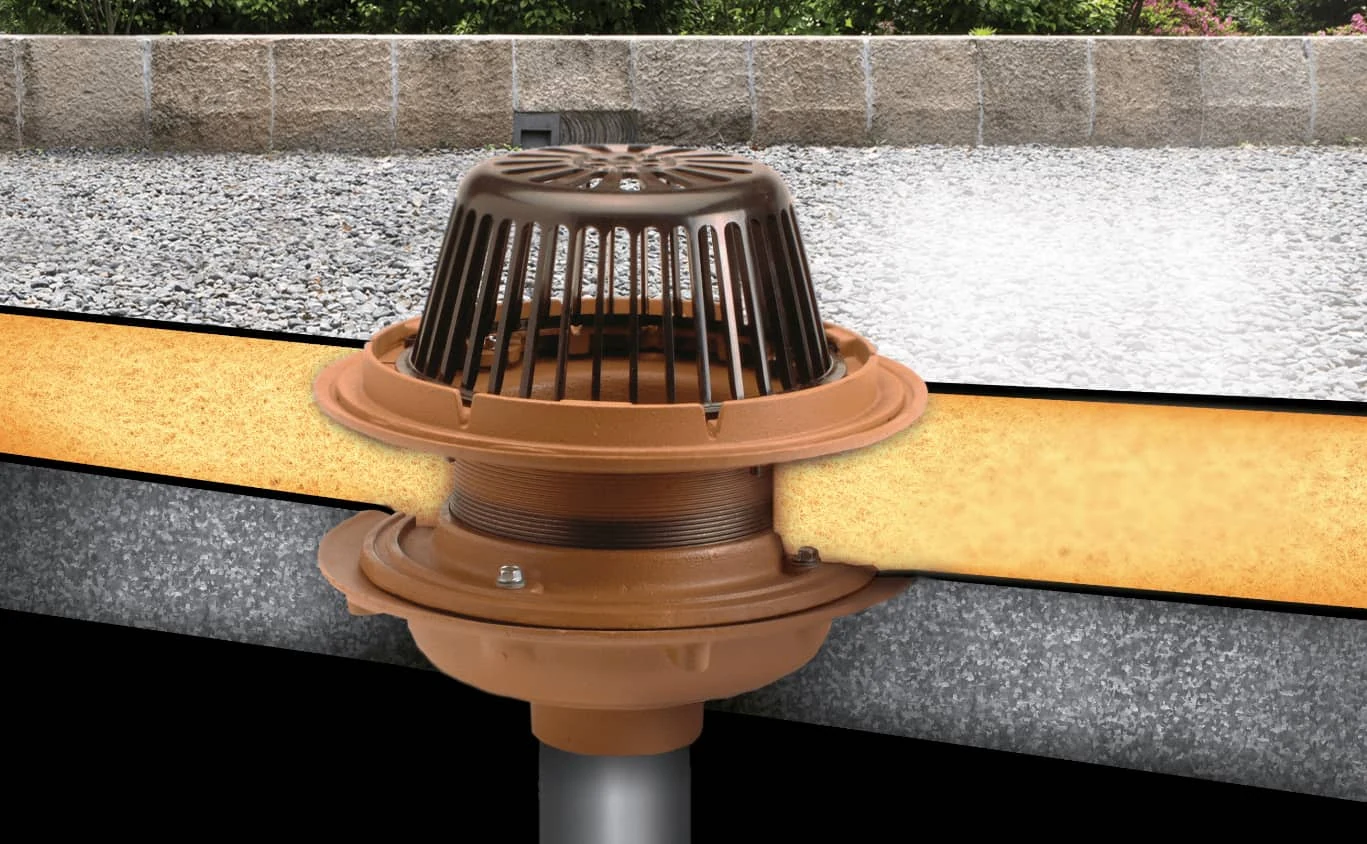
The gravel or mineral cap on a built-up roof protects the asphalt plies underneath from Bend's intense UV exposure, and it does that job well as long as coverage stays even across the roof. We've inspected BUR roofs pushing thirty years old where the gravel layer had simply shielded the felt plies from the sun-driven aging that eventually cracks unprotected asphalt. That said, gravel migrates over time, pushed around by wind and foot traffic, and we regularly find thin or bare spots at roof edges and near equipment curbs where the asphalt underneath has started to show UV wear that the rest of the roof hasn't.
Regrading gravel back to an even depth is one of the simplest, least expensive maintenance items we perform, and it's also one of the most overlooked. Owners tend to notice a BUR roof only when it leaks, but a thin spot in the gravel cap is a warning sign that shows up well before any water actually gets through, and addressing it early keeps the felt plies from taking UV damage they'd otherwise carry for years.
Weight and Structural Considerations
Built-up roofing is heavy, gravel ballast included, and that weight stacks directly on top of whatever snow load the structure already has to carry through a Central Oregon winter. Before recommending any BUR work, repair or otherwise, we confirm the structure was designed to handle both loads together, especially on older buildings where the original design load assumptions may not have accounted for how snow accumulation patterns have shifted or how the building's use has changed since it was built.
That weight is also part of why BUR holds up so well against wind, since a heavy gravel-ballasted roof doesn't move the way a lighter single-ply membrane can in a strong gust, something that matters on exposed sites around the region's open high-desert terrain, where buildings sit fully exposed to wind with little windbreak from surrounding structures.
Patch Versus Replace Philosophy
A built-up roof rarely fails all at once. It develops localized problems, usually at flashing details, drains, or spots where gravel coverage has thinned, while the rest of the field stays sound for years longer. We favor targeted repair on BUR roofs that are structurally healthy, since a full tear-off on a heavy multi-ply system is expensive and disruptive, and plenty of the BUR roofs we maintain around Bend's older commercial core don't need one yet. When a roof does reach the point of diminishing returns, usually widespread felt deterioration rather than isolated leaks, we say so plainly instead of stretching out a patch cycle that's no longer cost-effective.
Where We Still See It
Built-up roofing shows up most on older institutional buildings, some downtown retail blocks, and a handful of industrial buildings where the original roof has simply never been replaced. It's uncommon on new construction now, since lighter single-ply systems have largely taken over for cost and installation-speed reasons, but we still carry the expertise and materials to maintain and repair the BUR roofs already out there. Several of the school and civic buildings around Bend's older core still have original or near-original BUR sections that have simply been maintained well enough not to need replacement.
What We Check on a BUR Inspection
- Gravel coverage evenness across the field, noting thin or bare spots
- Felt ply condition at exposed areas, checking for cracking or delamination
- Flashing integrity at parapets, curbs, and drains
- Blistering from trapped moisture between plies
- Drain function and slope relative to snowmelt volume
- Overall structural signs of deflection under combined gravel and snow weight
Questions About Built-Up Roofing Around Bend
Is an old built-up roof automatically due for replacement?
Not necessarily. Plenty of BUR roofs we inspect are structurally sound with years of life left, and localized repair at flashing points or thin gravel areas often solves the actual problem without a full tear-off.
Can the structure handle gravel ballast plus our snow load?
That depends on the original design and the building's age. We verify structural capacity before recommending any BUR work rather than assuming an older building can carry it.
How does gravel surfacing hold up against Bend's wind?
Well, generally. The weight of a gravel-ballasted roof resists uplift better than lighter systems, though we still check edge and perimeter areas closely since that's where wind stress concentrates first.
What causes most leaks on the BUR roofs you service?
Flashing failure at parapets and equipment curbs, more often than a problem in the open field of the roof. Those transition points take the most movement from freeze-thaw cycling.
Would you ever recommend a coating instead of full BUR replacement?
Sometimes, if the felt plies are still structurally sound and the main issue is UV exposure from thinning gravel. A coating can extend service life at a fraction of tear-off cost in the right situation.
Related
Ready to review the roof scope?
Request a Roof Assessment