Hotel and Hospitality Roofing in Bend, OR
Hotel and resort roofing for Bend and the Century Drive corridor, priced around snow load, high-elevation UV, and freeze-thaw at parapets and copings.
Roofing Lodges and Hotels From the Parkway to Century Drive
Bend runs on tourism, and tourism runs on roofs that hold up through two very different seasons. We've worked on lodging roofs from the Third Street corridor down to the resort properties out toward Mt. Bachelor, and the roof that fails is almost always the one that got specced for looks before it got specced for the mountain climate sitting above it.
A Lodging Corridor That Never Really Slows Down
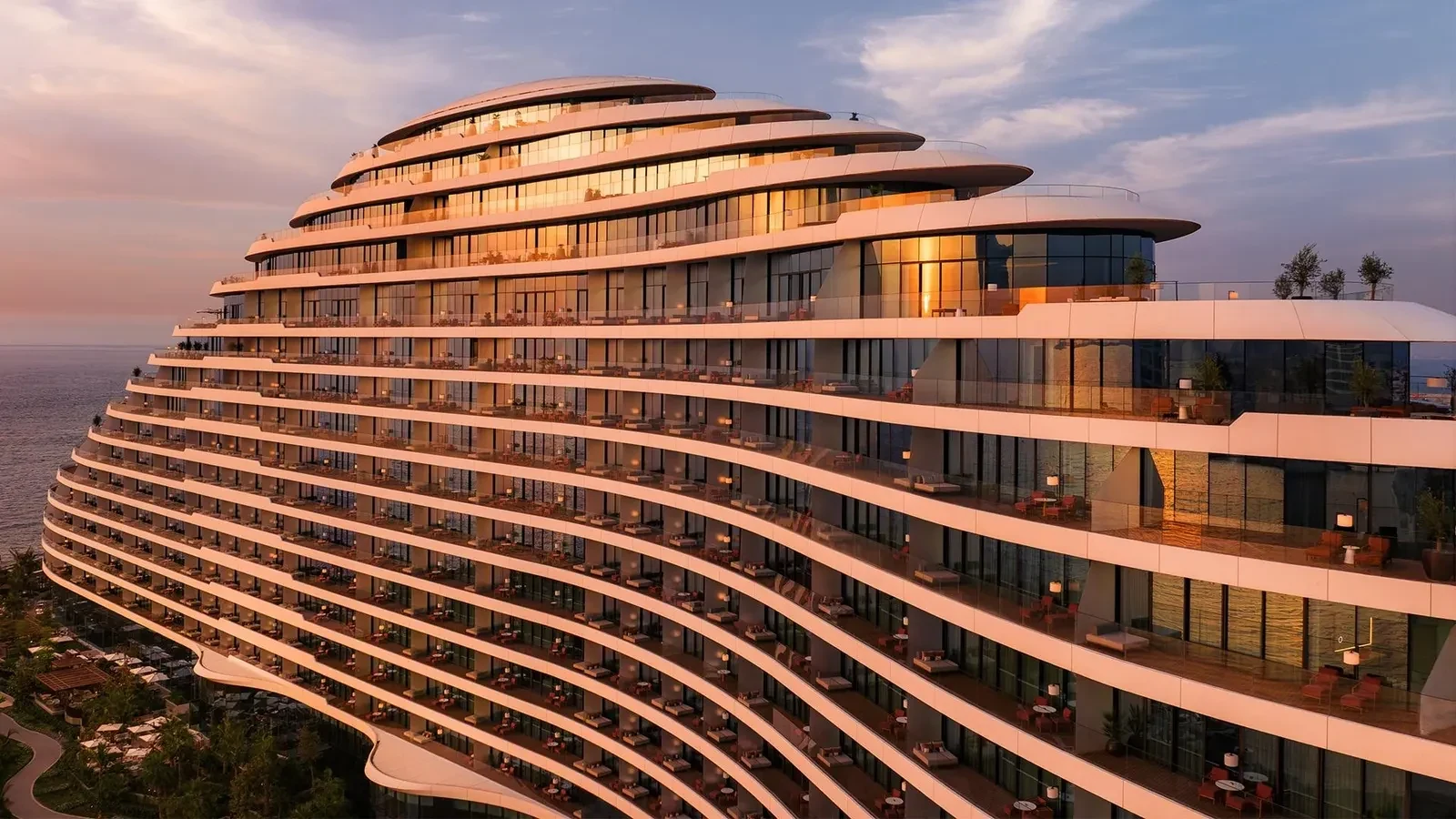
The hotel stock along the Bend Parkway and Third Street carries the bulk of the drive-up business travel and ski-season overflow, while properties like Mt. Bachelor Village and Seventh Mountain sit closer to Century Drive and take the brunt of Cascade weather on the way up to the mountain. Sunriver Resort, further south past La Pine junction, adds another layer entirely, with conference buildings, a lodge, and outbuildings that all carry different roof assemblies under one ownership umbrella.
Every one of those properties has to keep rooms sellable during a reroof, which means our scheduling conversation starts with occupancy calendars, not crew availability. Ski season and summer high season are both bad windows for tear-off work, so we look hard at shoulder-season gaps and phase accordingly.
Snow Load Is an Engineering Question, Not a Maintenance Note
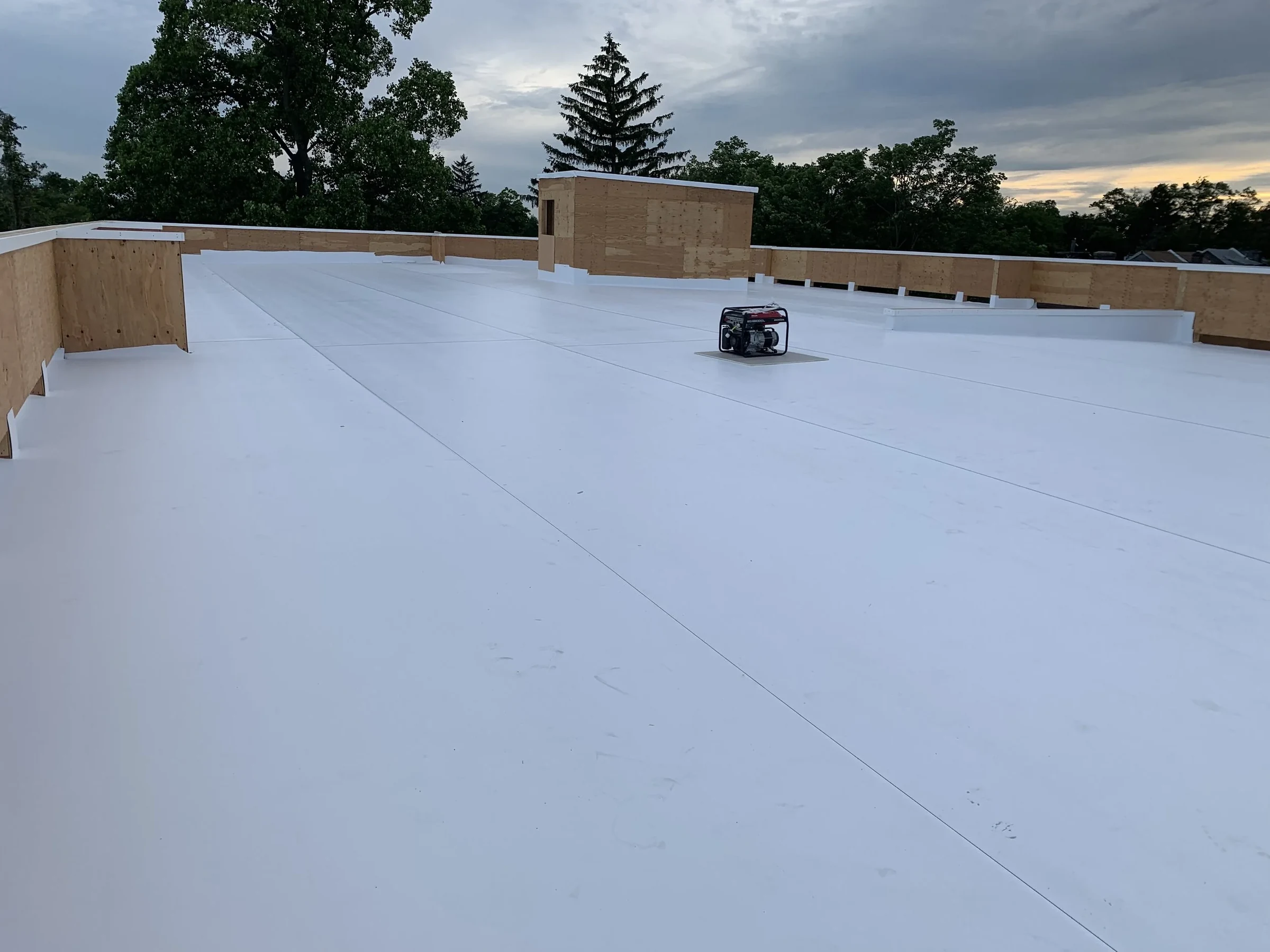
A lot of lodge-style buildings in this market pair a steep-slope shingle or standing seam roof over the guest wings with a low-slope membrane section over the conference center, pool building, or back-of-house wing. Those two roof types shed snow at completely different rates, and the low-slope field usually ends up catching what slides off the steep section above it.
We check the structural snow load rating against what's actually piling up at that transition line, not only the ground snow number off a code table. A parapet that traps drift against a mechanical curb can carry two or three times the design load in a heavy winter, and that's the detail that tends to get missed until a membrane splits.
Sunriver Resort's layout adds a further wrinkle, since the property spans a lodge building, a village mall area, and a business park's worth of outbuildings, each with its own roof age and structural profile. We treat that kind of multi-building resort property as a portfolio, prioritizing which roof section needs attention first rather than assuming every building on the property is aging at the same rate.
High-Desert UV Ages a Membrane Faster Than Most Owners Expect
Bend sits above 3,600 feet, and thinner air at elevation means more UV reaching the roof surface even on a cold, clear January day. A membrane rated for a sea-level city can chalk and lose flexibility years ahead of its expected service life once it's been living under high-desert sun.
Coatings take the same beating. We spec UV-stable topcoats and check reflectivity numbers against what the manufacturer actually tested for elevation exposure, not only a generic warranty sheet, because a coating that fades fast on a lodge roof means recoating on a schedule the owner didn't budget for.
Freeze-Thaw Works the Details, Not Only the Field
The open membrane field on a lodge roof usually holds up fine through a Bend winter. It's the copings, parapet caps, scuppers, and expansion joints that take the real punishment, because those are the spots where meltwater sits, refreezes overnight, and works fasteners and sealant loose one freeze-thaw cycle at a time.
Ice damming shows up where a steep-slope eave overhangs a heated space and the snowpack melts from underneath before it melts from the sun. We look at insulation continuity at those transitions during inspection, because a dam that backs water up under shingles or into a low-slope tie-in is a spring leak call every time.
What We Check Before Bidding a Hotel or Resort Roof
Before pricing a lodging property, we walk the whole roof system, not only the section the owner flagged, because guest wings, pool buildings, and conference space usually don't age the same way. The list stays consistent job to job:
- Snow load rating at parapets, curbs, and any drift-prone transition
- Membrane condition, chalking, and UV exposure across all roof planes
- Coping, scupper, and expansion joint sealant at every freeze-thaw point
- Ice dam evidence at steep-to-low-slope transitions and eave overhangs
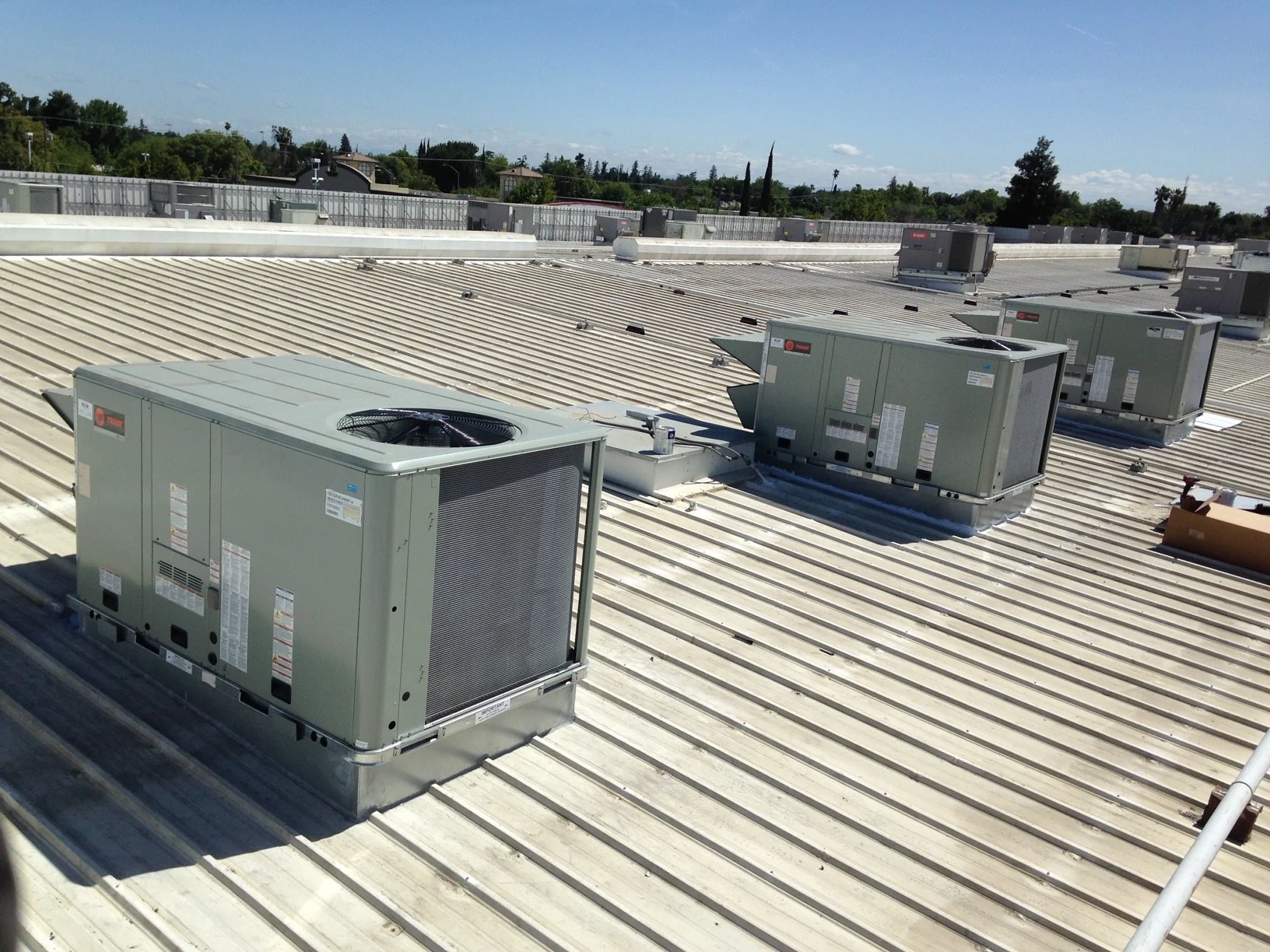
- Rooftop equipment added since original construction and how it's flashed
- Drainage capacity against realistic spring melt volume, not code minimum
That walk usually changes the scope from what the front-desk maintenance report described, and we'd rather have that conversation before a number goes out than after a crew is already staged.
Straight Answers Before You Book the Work
Can you reroof a hotel without shutting down guest floors?
Most jobs phase around occupancy. We stage material, section the work, and coordinate access so rooms below stay bookable while we're on the roof above them.
Does a mountain-view lodge roof need a different membrane than a downtown hotel?
Not always a different membrane, but often a different UV package and snow-retention detail, since a property closer to Century Drive sees heavier drift than one downtown.
How do you handle the pool building roof separately from the guest wing?
Pool buildings run higher interior humidity, which changes insulation and vapor-barrier decisions. We treat that roof section as its own scope even on a single-ownership property.
What's driving ice dam calls on newer lodge construction?
Usually a gap in insulation continuity at the eave, not a bad shingle. We check attic or rafter-bay insulation as part of any ice dam diagnosis.
When is the best window to schedule resort roof work here?
Shoulder seasons, generally after spring melt and before summer booking peaks, or after the fall color rush and before the first real snow.
Related
Ready to review the roof scope?
Request a Roof Assessment