Roof Drains and Scuppers in Bend, OR
Roof drain and scupper repair for Bend commercial buildings, sized and insulated for snowmelt volume and Central Oregon freeze-thaw drainage cycles.
Roof Drains and Scuppers on Central Oregon Flat Roofs
A flat roof lives or dies by where the water goes, and in a climate that gets both heavy Cascade snow and stretches of hard freeze, drainage has to handle slow, sustained snowmelt as well as it handles a normal rain event. We look at drains and scuppers as a system that has to work across both conditions, not only one.
Internal Drains Versus Scuppers
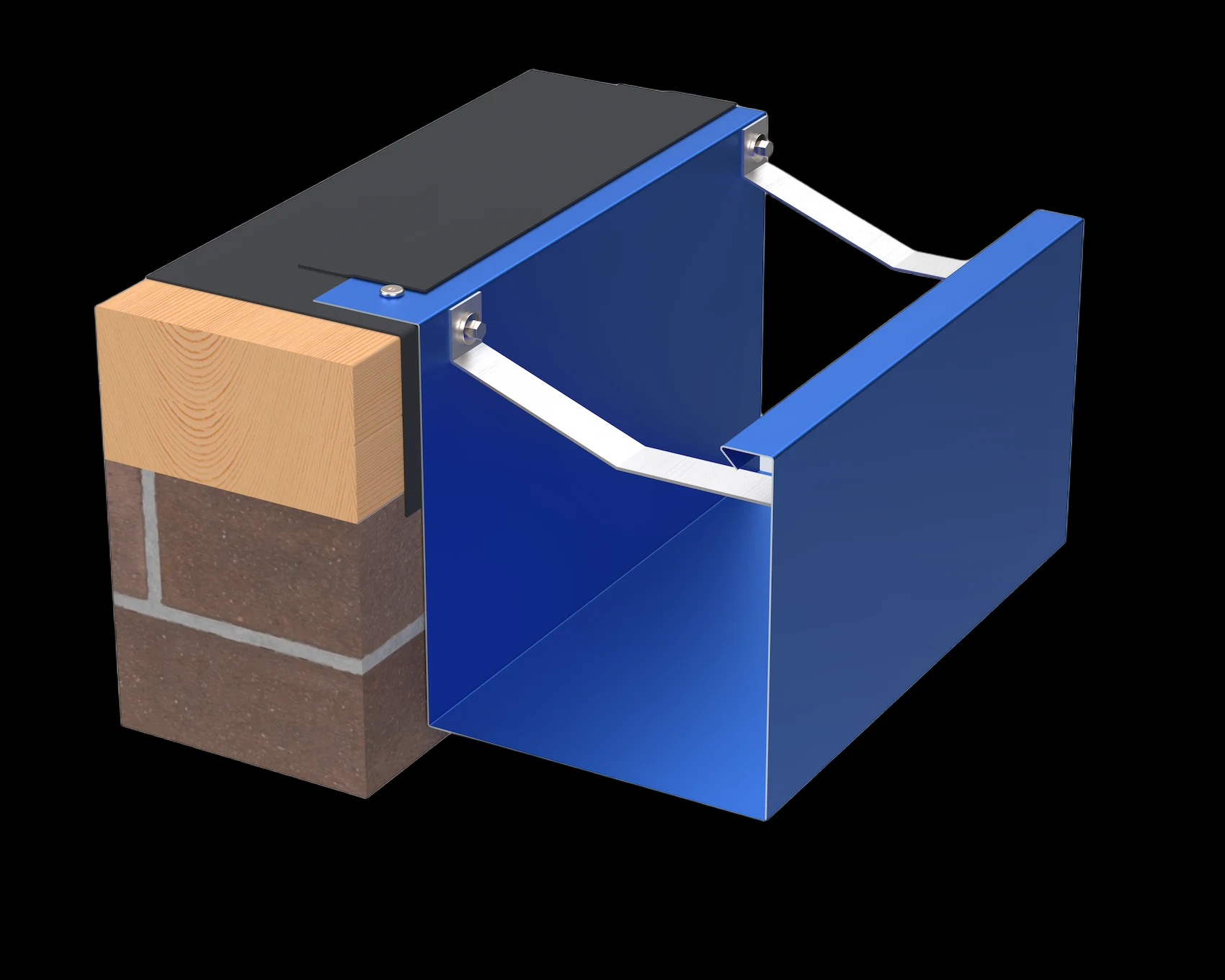
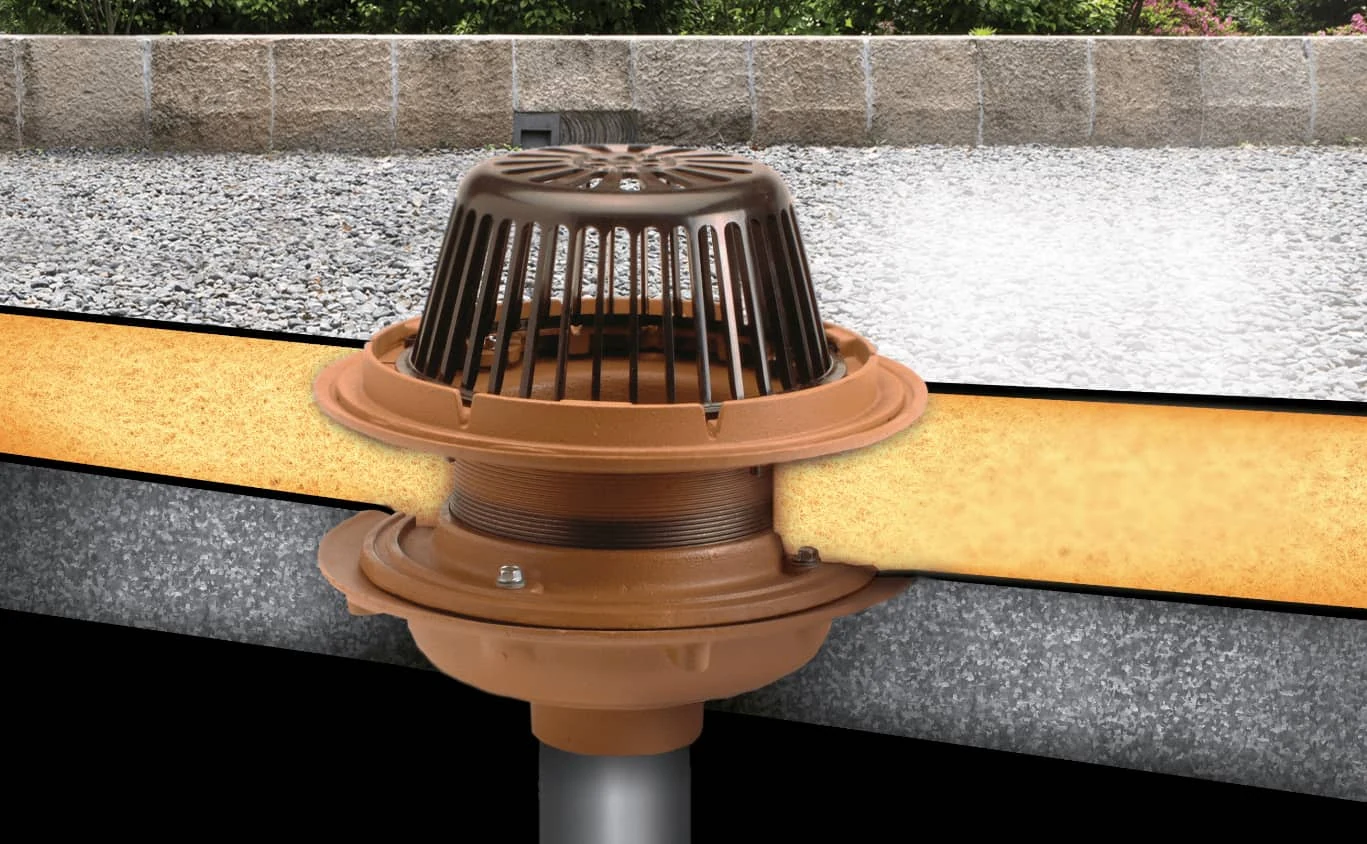
Both show up across Bend's commercial building stock, and each has a different failure pattern here. Internal drains run through the building and are less exposed to direct freeze, but they clog with pine needle and juniper debris just as easily as anything else, and a clog inside the building is a lot more disruptive to fix than one at the roof edge. Scuppers drain straight through the parapet wall, which is simpler to inspect and clear, but the through-wall opening is more exposed to direct freeze and more prone to ice damming right at the opening during a slow melt.
Snowmelt Is a Different Load Than Rain
A drainage system sized for a heavy summer thunderstorm doesn't automatically handle a slow, sustained snowmelt the same way. Snow melting off a roof over several days during a warm afternoon stretch can produce a steady volume of water that sits and refreezes overnight if the drain path isn't clear, which is a different stress pattern than a short, intense rain event draining off in an hour. We size and check drainage capacity with that slower, cyclical melt pattern in mind, not only peak rainfall numbers.
Freeze-Thaw Clogging
Debris that would simply wash through a drain during a rain event can freeze in place inside a drain bowl or scupper throat during a cold snap, then partially block flow even after it thaws because organic material has packed into the gap. We clear drains mechanically, not only by flushing water through them, because a partial ice-and-debris clog often needs physical removal to fully open back up.
Heat Trace and Insulated Drain Lines
On roofs where we've seen repeated freeze-related drain failures - often shaded, north-facing sections or drains that sit in a persistent snow drift zone - we look at heat trace cable and insulated drain leads as a permanent fix rather than clearing the same drain every winter. It costs more upfront but stops the recurring emergency calls on a drain that's proven itself to be a problem spot.
- Drain bowl and strainer clearing, mechanical not only flushed
- Scupper throat and through-wall opening inspection
- Overflow drain or scupper verification, required as a backup on most systems
- Heat trace evaluation for chronic freeze-prone drain locations
- Tapered insulation review where drainage slope has degraded over time
- Drain lead insulation check where lines run through unconditioned space
Primary and Overflow Systems
Every drain should have a backup path for when the primary is blocked or overwhelmed, whether that's a secondary drain set slightly higher or an overflow scupper through the parapet. We check that the overflow path is actually functional and not itself blocked or sealed over from a past reroof, because an overflow that doesn't work is the difference between a nuisance clog and standing water deep enough to stress the structure.
Where We See the Worst Drain Problems
Buildings near mature trees or juniper stands - parts of Tumalo, La Pine, and some of the older lots around downtown Bend - tend to load drains with more organic debris than buildings out on open industrial land near Redmond or Prineville. We factor that into how often we recommend a given roof's drains get cleared, rather than applying one schedule to every property. A retail building tucked among mature landscaping near the Old Mill District might need drains checked twice as often as a warehouse on a bare industrial lot in Juniper Ridge, and we set the maintenance interval based on what we actually find during the first year of visits rather than a fixed default. It's a small adjustment that saves an owner from paying for visits their roof doesn't need while still catching the buildings that genuinely do need closer attention.
Drain and Scupper Questions
Are internal drains or scuppers better for a Bend commercial roof?
Both work well when properly detailed. Internal drains are less exposed to direct freeze but harder to fix if clogged inside the building; scuppers are easier to inspect but more prone to ice damming at the opening.
Why does a drain that worked fine all summer suddenly clog in winter?
Debris that would normally wash through freezes in place during a cold snap and can leave a partial blockage even after it thaws, which is why we clear drains mechanically rather than just flushing them.
Do we need heat trace on our roof drains?
Only if a specific drain has shown a pattern of repeated freeze-related failure. We recommend it for chronic problem spots, not as a blanket addition to every drain on a roof.
What's an overflow drain and do we have one?
It's a backup path for water when the primary drain is blocked, either a secondary drain or a scupper. We check during inspections that it's actually functional and not sealed over from a past roofing project.
Do trees near our building really affect drain maintenance?
Yes. Buildings near mature trees or junipers load drains with more organic debris and typically need more frequent clearing than buildings on open industrial lots.
Related
Ready to review the roof scope?
Request a Roof Assessment