Grocery Store Roofing in Bend, OR
Grocery store roofing in Bend, planned around refrigeration curb loads, wide-span snow rating, and drainage sized for high-desert melt and storm volume.
Roofing the Wide-Span Fields Over Bend's Grocery Stores
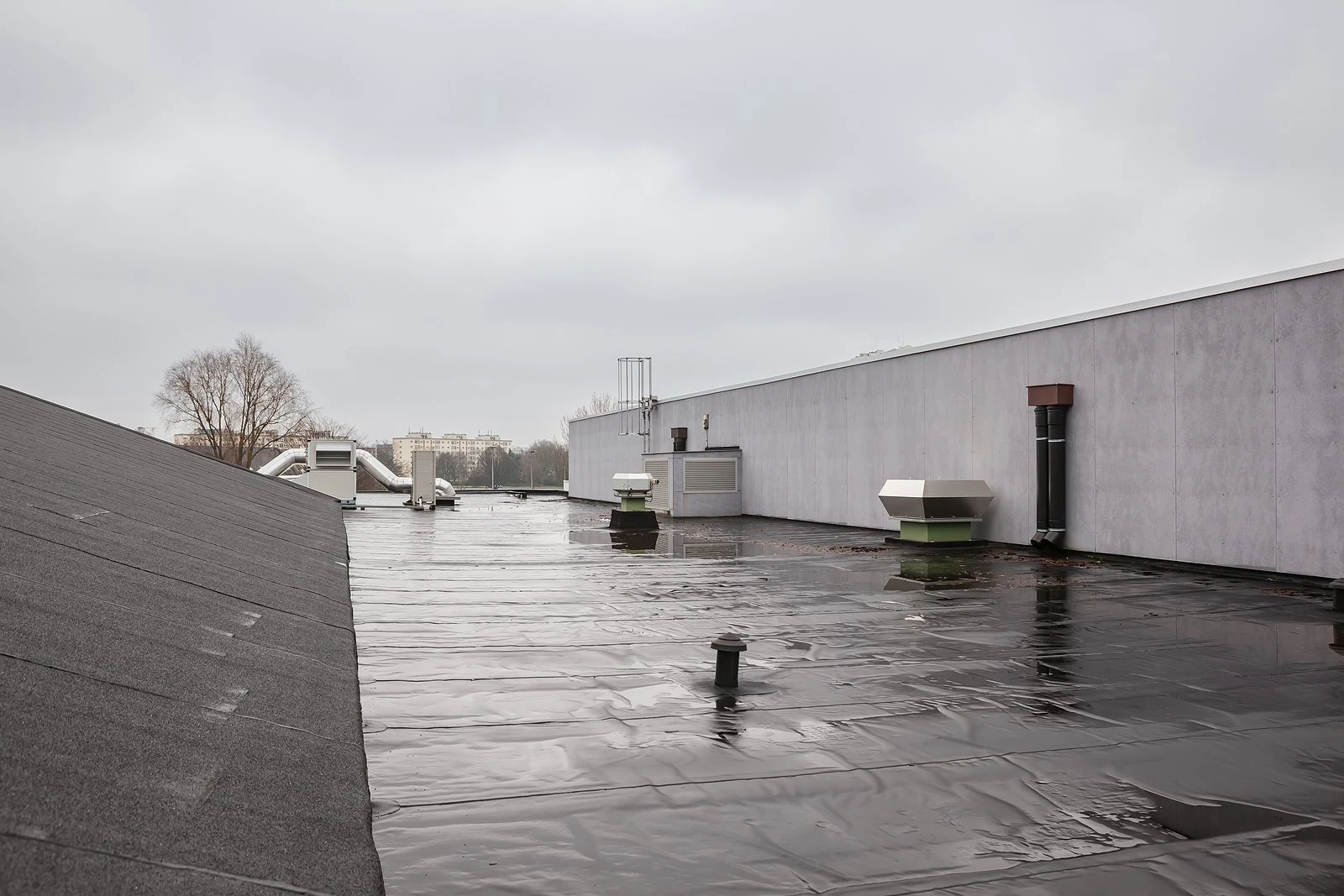
Grocery buildings in Bend, from long-standing neighborhood markets to the larger format stores anchoring shopping centers off Third Street and Highway 20, put more refrigeration equipment on the roof than almost any other retail building type. That equipment load, combined with a wide open field of low-slope membrane, sets the terms for how we approach these roofs.
Refrigeration Curbs Carry the Heaviest Point Loads on the Roof
A grocery store's walk-in coolers, freezer cases, and condensing units all tie back to rooftop condensers and compressor racks, and those units are heavier and run hotter than a typical HVAC package unit. We check curb flashing and structural support at every condensing unit specifically, because that concentrated weight and vibration wears fastener rows faster than the open field ever does.
Refrigerant line penetrations add another failure point most other retail buildings don't have. We trace every line penetration back to its curb during inspection, since a line-set penetration sealed poorly at installation is a slow leak that can take years to show up as visible water damage inside the store.
Store age varies widely across this market, from long-standing neighborhood grocery buildings to newer larger-format stores built in the last several years, and that age gap shows up directly in roof condition. An older store that's changed banners or ownership over the years often carries a patchwork of repairs from different contractors, while a newer store's roof problems are more likely tied to equipment added since opening than to the original installation.
Wide-Span Roofs Need Real Snow Load Verification, Not Assumptions
A grocery store roof spans a large open area with minimal interior support, which means snow load has to be verified against the actual structural rating rather than assumed safe because the building looks solid. We pay particular attention to load buildup around the refrigeration equipment cluster, since drift there behaves differently than across an open retail field with fewer obstructions.
Older grocery buildings that have changed hands or been retrofitted with additional refrigeration capacity over the years sometimes carry more rooftop weight than the original structural design anticipated, and we flag that mismatch when we find it rather than treating it as someone else's problem.
Loading dock canopies and cart corral roofs attached to the main building add their own smaller-scale version of the same structural question. Those attached structures sometimes get overlooked during a roof assessment focused on the main field, but drift blowing off the larger roof plane can pile against a lower canopy roof in ways that stress a lighter structure never designed to carry that load.
Drainage Has to Handle Both Storm Volume and Refrigeration Condensate
Beyond rain and snowmelt, rooftop refrigeration equipment generates its own condensate discharge, and that water has to have somewhere to go without pooling against a curb or backing up into an area with electrical conduit. We size drainage checks around both sources together, not only the roof's rated storm capacity, because a drain that handles a storm fine can still be undersized once condensate discharge is added to the mix.
Downtime Isn't an Option for a Grocery Store
A grocery store can't close for a roof project, and refrigerated inventory loss from an uncontrolled leak is a real financial risk on top of the roofing cost itself. We plan tear-off sections around refrigeration equipment locations first, keeping the membrane over any active cooling unit intact until the last possible phase of the job.
What We Verify Before Bidding a Grocery Roof
The inspection sequence stays consistent across every grocery property we look at:
- Refrigeration curb flashing, fastener condition, and structural support
- Refrigerant line-set penetration seals across the full roof
- Snow load rating against actual equipment cluster locations
- Drainage capacity for combined storm and condensate discharge
- Membrane condition beneath high-vibration compressor rack areas
- Phasing plan that protects active refrigeration during tear-off
That sequence is what keeps a grocery reroof from turning into an unplanned refrigeration emergency mid-project.
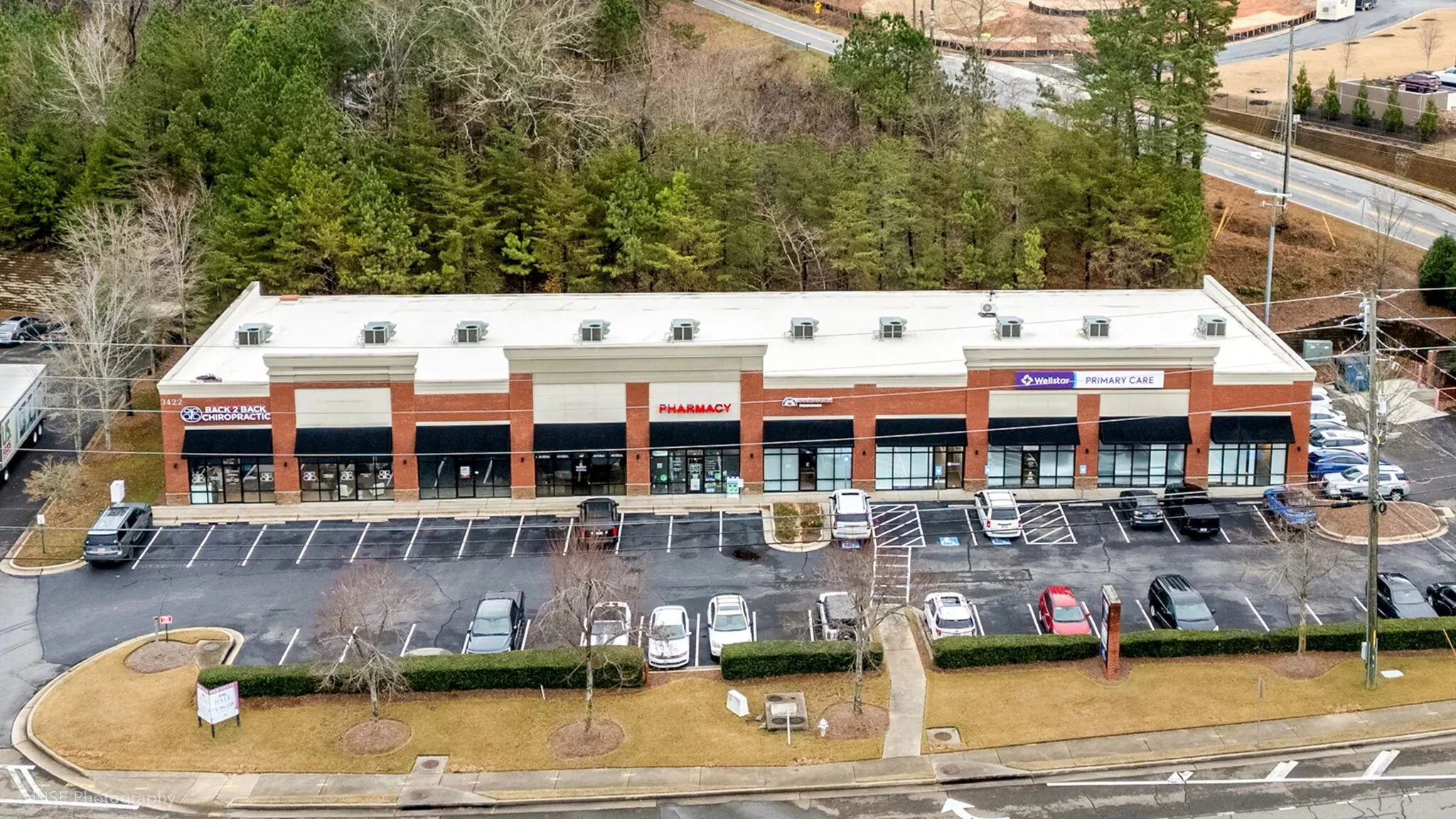
Shopping centers centered on a full-size grocery store, common along Highway 20 and the Third Street corridor, often have the grocery tenant's roof section maintained separately from the rest of the center under a different lease structure. We coordinate with both the grocery operator and the center's landlord when a roof section falls near that boundary, since drainage and structural questions rarely respect a lease line. That coordination becomes especially important when the grocery tenant's refrigeration equipment sits close enough to a neighboring bay that vibration or condensate discharge could affect a roof section technically outside the grocery lease.
What Grocery Operators Ask Us
Can you reroof around our refrigeration equipment without shutting it down?
In most cases yes, by phasing tear-off sections and keeping the membrane over active cooling equipment intact until later in the project.
Why do we keep having leaks near the same condensing unit?
That's almost always a curb flashing or line-set penetration issue specific to that unit, not a broader membrane failure across the roof.
Does adding new refrigeration capacity require a structural review?
Often yes, since new compressor racks or condensers can push rooftop weight beyond what the original roof structure was designed to carry.
How do you keep dust and debris out of the store during tear-off?
We seal rooftop intakes near the work zone and sequence sections away from active HVAC and refrigeration returns whenever possible.
What's the biggest risk if a grocery roof leak goes unnoticed?
Beyond structural damage, water reaching refrigeration electrical components or inventory storage areas can cause losses well beyond the roofing repair itself.
Related
Ready to review the roof scope?
Request a Roof Assessment