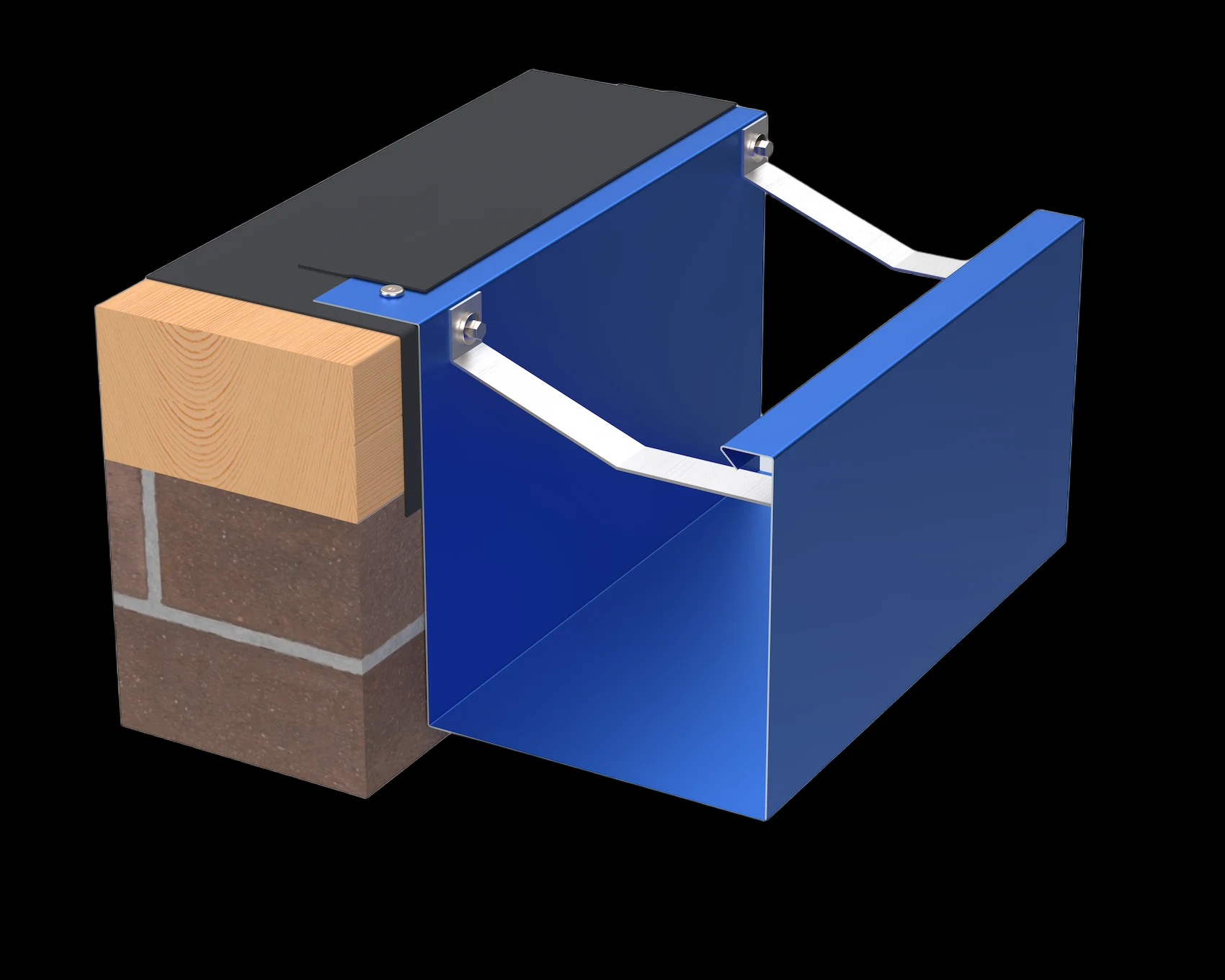
Edge Metal, Coping, and Gutter Repair in Bend, OR
Edge metal, parapet coping, and gutter repair for Bend commercial roofs, addressing thermal movement, snow-shedding hazards, and ice buildup at the edge.
Edge Metal, Coping, and Gutters on Central Oregon Commercial Roofs
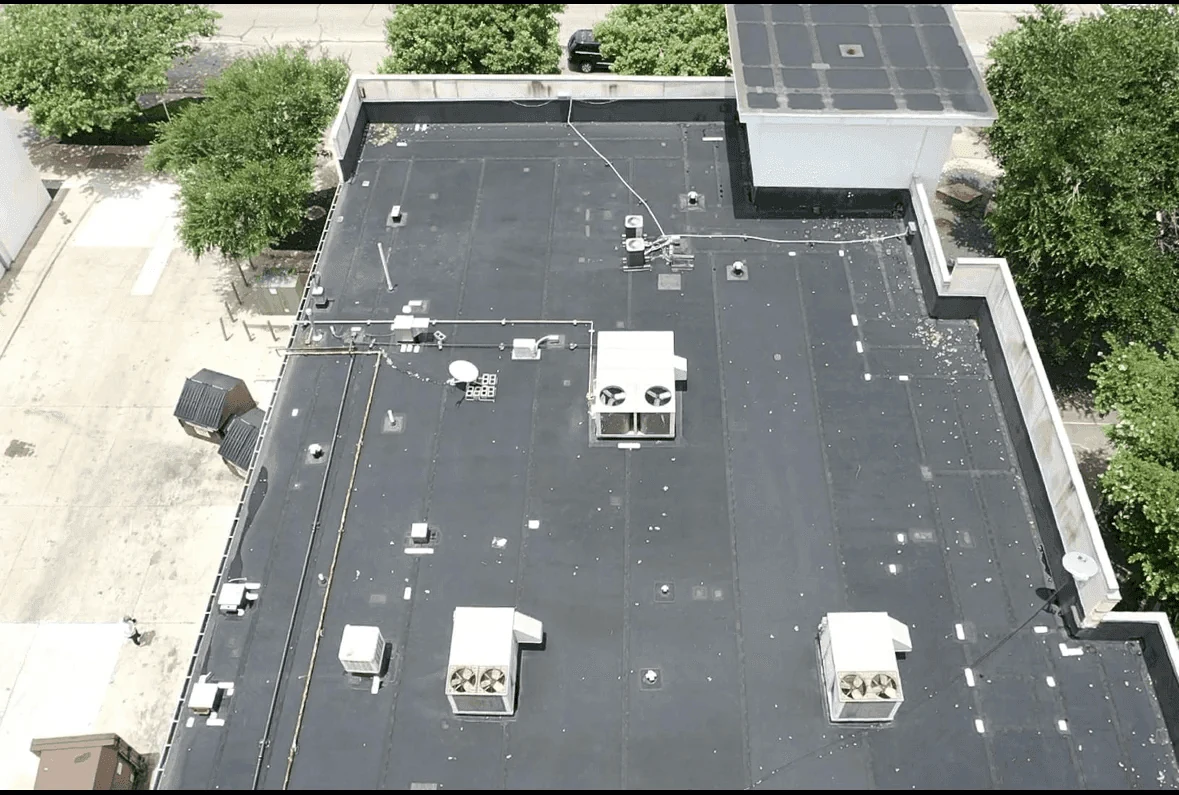
The perimeter of a flat roof takes more abuse than people assume. Edge metal and coping deal with the widest temperature swings on the whole building, and they're the part of the system most likely to fail first if it wasn't detailed for the conditions Bend actually sees.
Thermal Movement at the Edge
Central Oregon's daily temperature swing - a warm, sunny afternoon dropping thirty or forty degrees by early morning - puts real cyclical stress on metal edge components. Fasteners work loose, cleats pull away from the substrate, and joints that were tight when installed open up a hairline gap after a few years of that expansion and contraction. We see this most on south and west-facing edges that take the most direct sun during the day and then cool fastest once shade hits.
Loose edge metal is more than a cosmetic problem. It's one of the first things wind uplift catches during a gust event, and once a section starts to lift, water gets behind it and works into the wall assembly below. On a building with a busy street or sidewalk right at the edge, a section of edge metal that comes loose in a wind event is also a falling-object hazard, not only a maintenance item, which is another reason we treat fastener checks as routine rather than optional.
Coping and Parapet Details
Parapet coping caps take standing snow load directly, and on buildings around downtown Bend and the Old Mill District, where parapets often carry decorative height beyond what's structurally necessary, that additional surface area means more snow sitting directly on the coping joint seams through the winter. We check coping seams specifically for the kind of seam separation that lets meltwater track down behind the cap and into the wall rather than shedding off the face like it's supposed to.
Snow-Shedding Off the Edge - A Real Hazard on Occupied Sidewalks
A flat commercial roof with warm interior air rising to the underside of the deck can cause snow to melt from below even while ambient temperatures stay freezing, which sends slush and ice sliding off the roof edge onto sidewalks, loading docks, or parking below. On downtown storefronts with sidewalk frontage this is a real liability concern, not only a maintenance issue, and we look at edge metal profile and any snow-retention detailing when we're assessing a building's exposure to that risk.
- Edge metal fastening pattern check for thermal fatigue and wind uplift risk
- Coping seam inspection for separation and water tracking
- Snow-shedding hazard assessment on sidewalk-adjacent buildings
- Ice buildup points at gutters, scuppers, and downspout transitions
- Fastener and cleat replacement where thermal cycling has loosened the system
- Sealant and joint detailing appropriate for the temperature range we actually see
Gutters and Ice Buildup
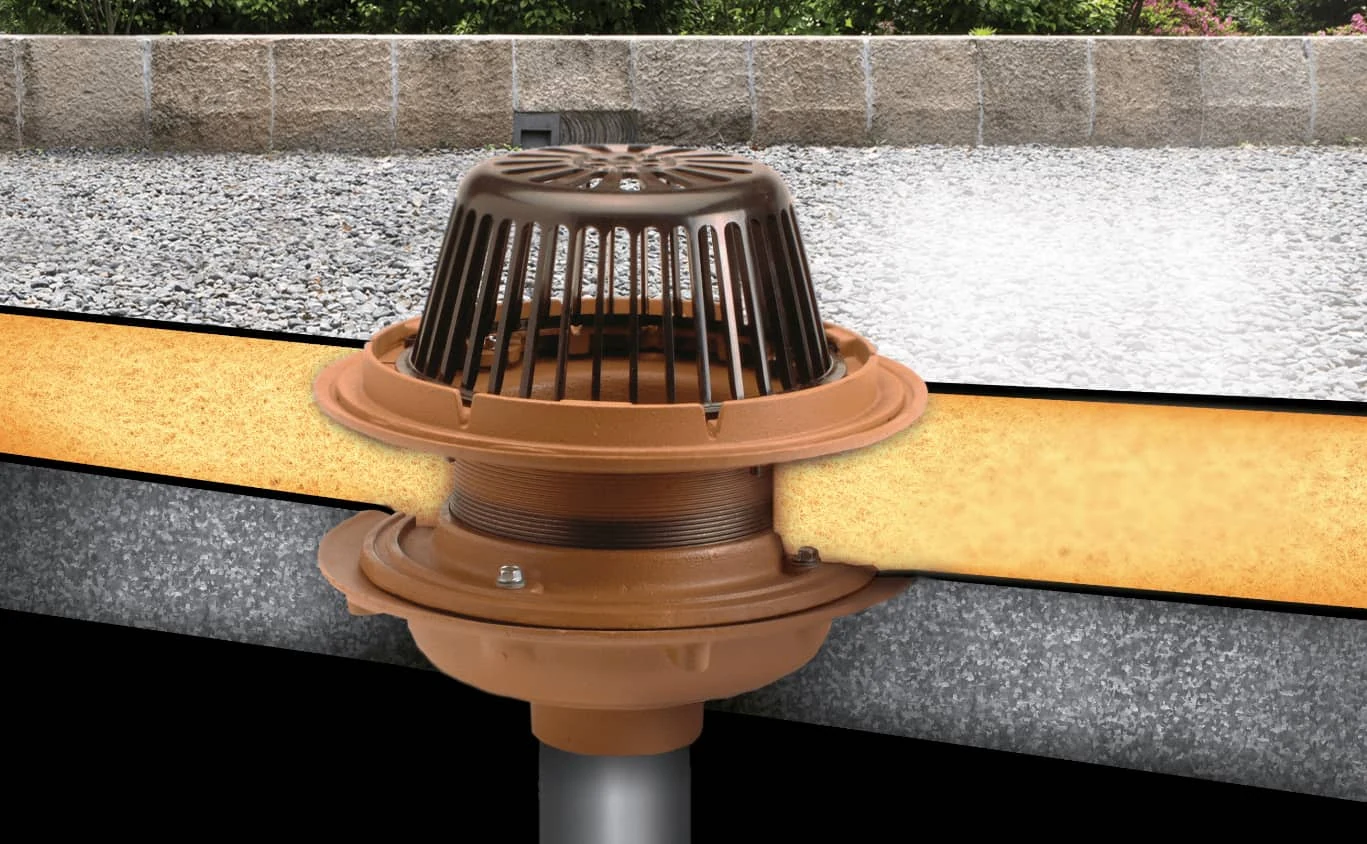
Where a building does use gutters and downspouts rather than internal drains, ice buildup is the main issue we deal with. A gutter that holds standing water from a partial-day thaw freezes solid overnight, and repeated freeze-thaw cycles eventually pull hangers loose or crack seams at the joints. On buildings out past Sisters and toward the Cascades foothills, where shaded gutter runs stay colder longer through the day, this ice buildup is more persistent than on a south-facing run in town. Downspouts that discharge onto a sidewalk or loading area add another wrinkle, since meltwater refreezing at the base can build a slick ice patch right where employees and customers are walking, which is worth addressing with routing or heat trace even on a gutter system that's otherwise holding up fine.
Getting the Metal Right for This Climate
We spec edge metal gauge and fastening patterns for the wind uplift and thermal cycling Central Oregon actually produces, not a generic minimum. On a reroof or edge metal replacement, that means heavier gauge material and a cleat system rated to hold through repeated expansion and contraction rather than the lightest option that meets code on day one. We also match sealant products to the actual temperature range a joint will see, since a sealant rated for a milder climate can go stiff and crack here well before its listed service life is up.
Edge Metal and Coping Questions
Why does edge metal fail faster here than people expect?
Big daily temperature swings put repeated expansion and contraction stress on fasteners and cleats, which loosens the system faster than a climate with more stable temperatures.
Is roof snow sliding onto the sidewalk actually dangerous?
Yes, particularly on buildings with warm interior air causing under-side melt even when it's freezing outside, which sends slush and ice off the edge onto sidewalks and loading areas below.
Do parapet coping seams really let water in?
Standing snow load on coping caps eventually separates aging seams, and meltwater can track down behind the cap into the wall assembly instead of shedding off the face.
Why do gutters ice up so much in some areas but not others?
Shaded, north-facing runs stay colder through the day and hold ice from partial thaws longer than sun-exposed runs, which speeds up freeze-thaw wear on hangers and seams.
Should edge metal be upgraded during a reroof even if it's not failing yet?
We generally recommend it. It's the cheapest point in the project to spec heavier gauge material and a stronger cleat system built for the actual thermal cycling this climate produces.
Related
Ready to review the roof scope?
Request a Roof Assessment