Multi-Tenant Retail Strip Roofing in Bend, OR
Strip center roofing along Third Street and Highway 20 in Bend, coordinated across tenant lease lines and priced around snow load and rooftop unit density.
Strip Center Roofs Along Third Street and the Highway 20 Frontage
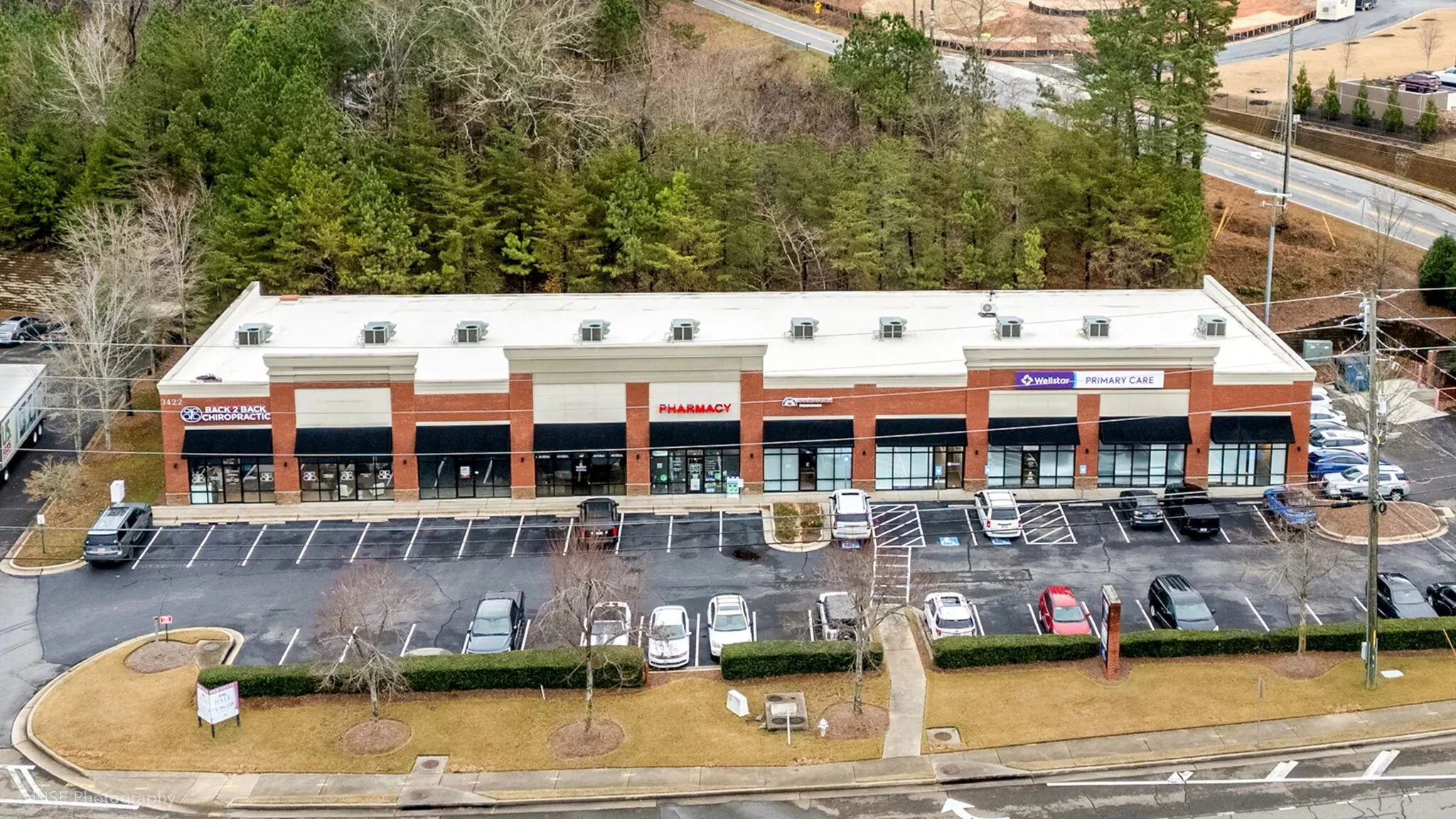
The retail strips lining Third Street and stretching out along Highway 20 toward Cooley Road carry some of the most tenant-dense roofs in Bend, with rooftop units, signage penetrations, and lease-line boundaries stacked across a single membrane. We approach these roofs as a coordination problem as much as a roofing one.
One Roof, Many Tenants, One Landlord Decision
A strip center landlord usually owns the roof outright, but every tenant lease has its own language about maintenance responsibility, rooftop equipment access, and who pays for what when a unit's section of roof needs attention. We read that lease language before quoting a repair whenever it's available, because a landlord-responsibility clause changes who signs off on the work.
Tenant turnover adds another layer. A center that's had three or four different tenants in one bay over the years often has mismatched HVAC curbs, old signage penetrations that were never properly sealed, and a rooftop equipment layout that doesn't match current leases at all.
We keep a running record of tenant turnover history for the centers we service, since a bay that's changed hands three times in ten years is more likely to have accumulated undocumented rooftop work than one that's held a single stable tenant the whole time. That history shapes where we look first during a routine inspection.
Rooftop Unit Density Drives Most of the Failure Points
Strip centers pack more HVAC units per square foot of roof than almost any other commercial building type in this market, because each tenant bay typically runs its own package unit. Every one of those units is a curb, a condensate line, and a set of fasteners working loose under vibration, and the sheer number of them means more potential leak points across the same roof area.
We inspect every curb individually rather than sampling a few, since a strip center's failure pattern is rarely uniform. One bay's unit might be sound while the bay next door has been leaking into a stockroom for months without anyone connecting it to the roof.
Snow Drift Concentrates Around Equipment Clusters
The rooftop units and parapet walls common to strip center construction create drift traps during Bend winters, and snow piles deeper around equipment clusters than across the open field. We check structural load at those clusters specifically, because a roof rated fine for open-field snow accumulation can still be under-built for what collects against a row of package units.
Signage and Facade Penetrations Are an Overlooked Leak Source
Retail signage, especially channel letters and monument sign wiring, often routes conduit through the roof edge or parapet, and those penetrations get installed by sign contractors who aren't always thinking about long-term roof integrity. We've traced a fair number of strip center leaks back to a signage penetration installed years earlier by a different tenant's sign vendor.
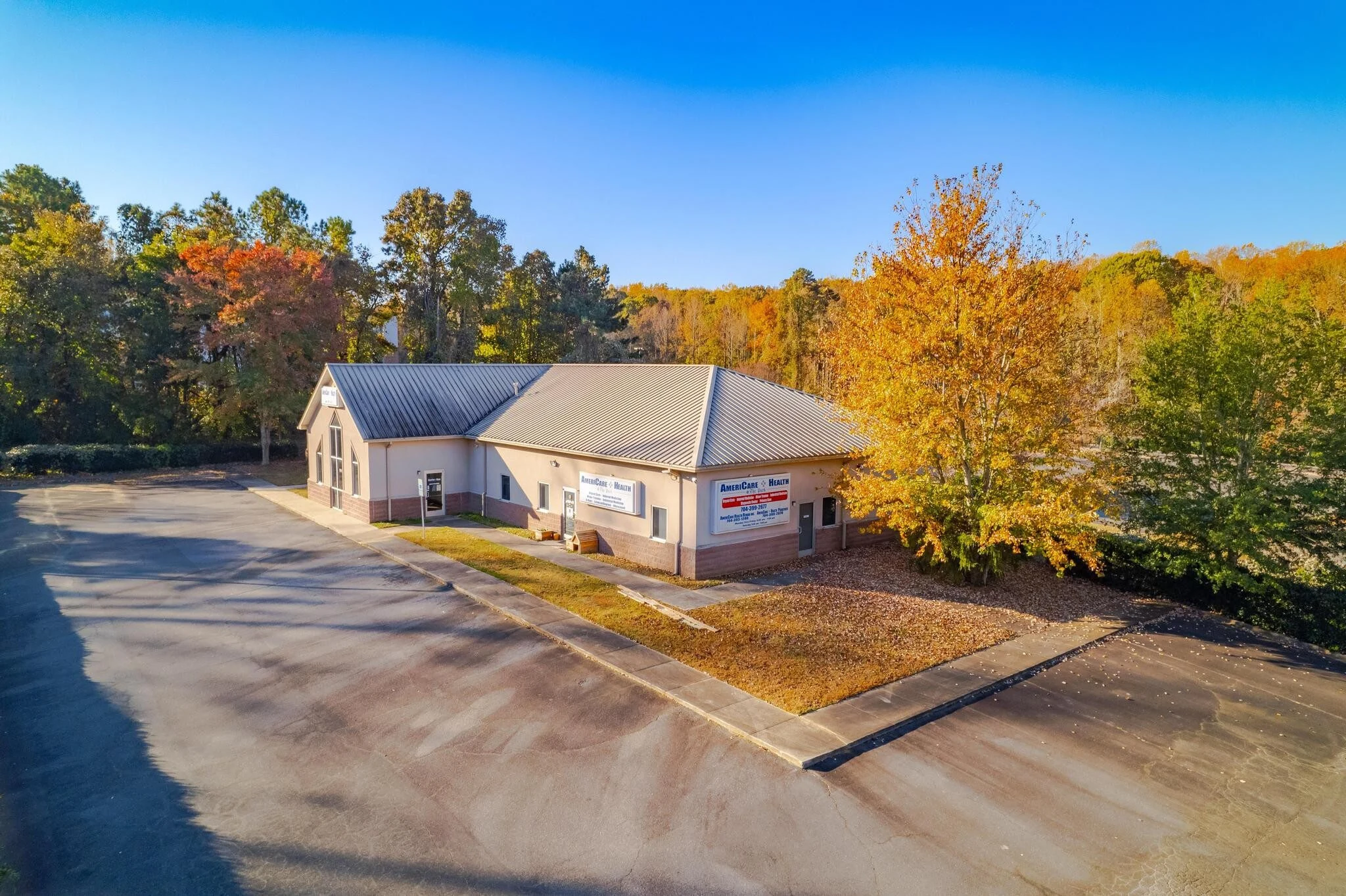
Outparcel buildings, the standalone pads often built at the entrance of a larger strip center for a bank branch, coffee shop, or fast-casual restaurant, get evaluated as their own roof even though they share a parking lot and sometimes a landlord with the main center. Drainage and drift patterns on a small outparcel roof rarely match the larger building behind it.
What We Check Across a Multi-Tenant Roof
A strip center inspection covers the whole roof, bay by bay:
- Every rooftop HVAC curb, fastener row, and condensate line individually
- Signage and conduit penetrations at roof edges and parapets
- Snow drift load at equipment clusters versus open-field areas
- Lease responsibility documentation for repair scope and cost allocation
- Tenant-reported interior leak locations cross-checked against roof condition
- Drainage capacity across the full roof, since one bay's runoff affects another's
That bay-by-bay approach is what keeps a strip center roof project from turning into a series of repeat callouts.
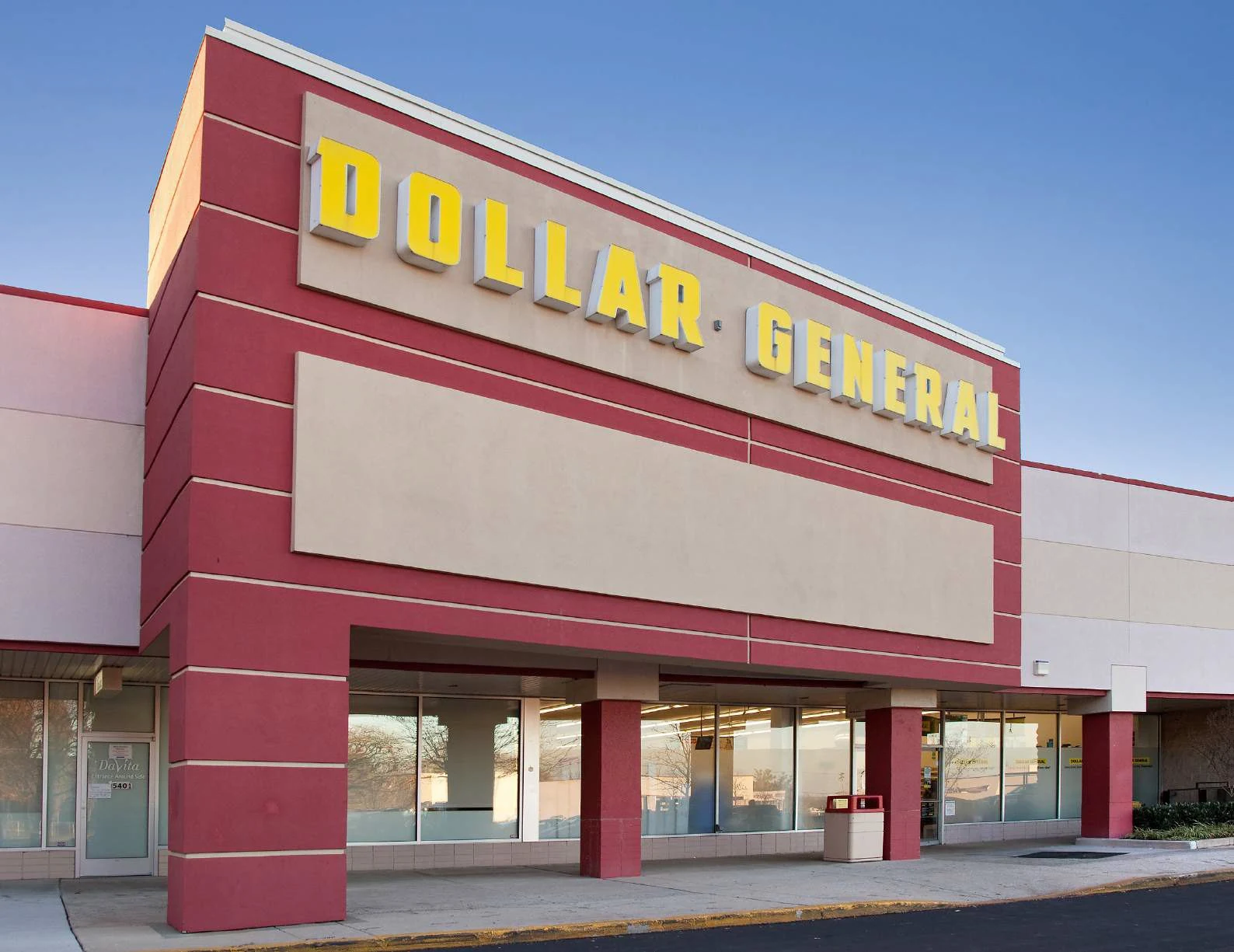
Larger centers centered on a big-box tenant along Highway 20 carry a different scale of roof than a small neighborhood strip, with wider clear spans and heavier rooftop unit counts concentrated near the anchor space. We adjust our inspection pace for that scale, spending more time on the anchor tenant's roof section specifically since it usually represents the largest share of the center's total roof area, and that section's drainage design often dictates how well the smaller in-line bays around it perform during a heavy melt.
Questions Retail Landlords Ask Us
How do we figure out if a leak is our responsibility or the tenant's?
We document exactly where the leak originates and cross-reference it against your lease language so responsibility is based on the roof condition, not a guess.
Can you inspect the whole center without disrupting every tenant at once?
Yes, we schedule bay-by-bay access so most tenants see minimal disruption while we work through the full roof.
Why does one bay leak constantly while the rest of the center is fine?
Usually a specific curb, penetration, or old signage conduit tied to that bay, not a general roof failure, and we isolate it rather than treating the whole roof the same.
Does adding a new tenant's HVAC unit require roof modifications?
Often yes, since new equipment placement can affect drainage patterns and snow drift at adjacent bays, so we review the full roof before approving a new curb.
How do you handle roof access when tenants have different operating hours?
We build the schedule around your center's actual tenant mix, prioritizing access during hours that minimize impact on customer-facing bays.
Related
Ready to review the roof scope?
Request a Roof Assessment