Modified Bitumen Roofing in Bend, OR
Modified bitumen roofing for Bend, OR commercial buildings. Application method planned around wildfire-season restrictions and winter snow load.
Modified Bitumen on Bend's Older Low-Slope Buildings
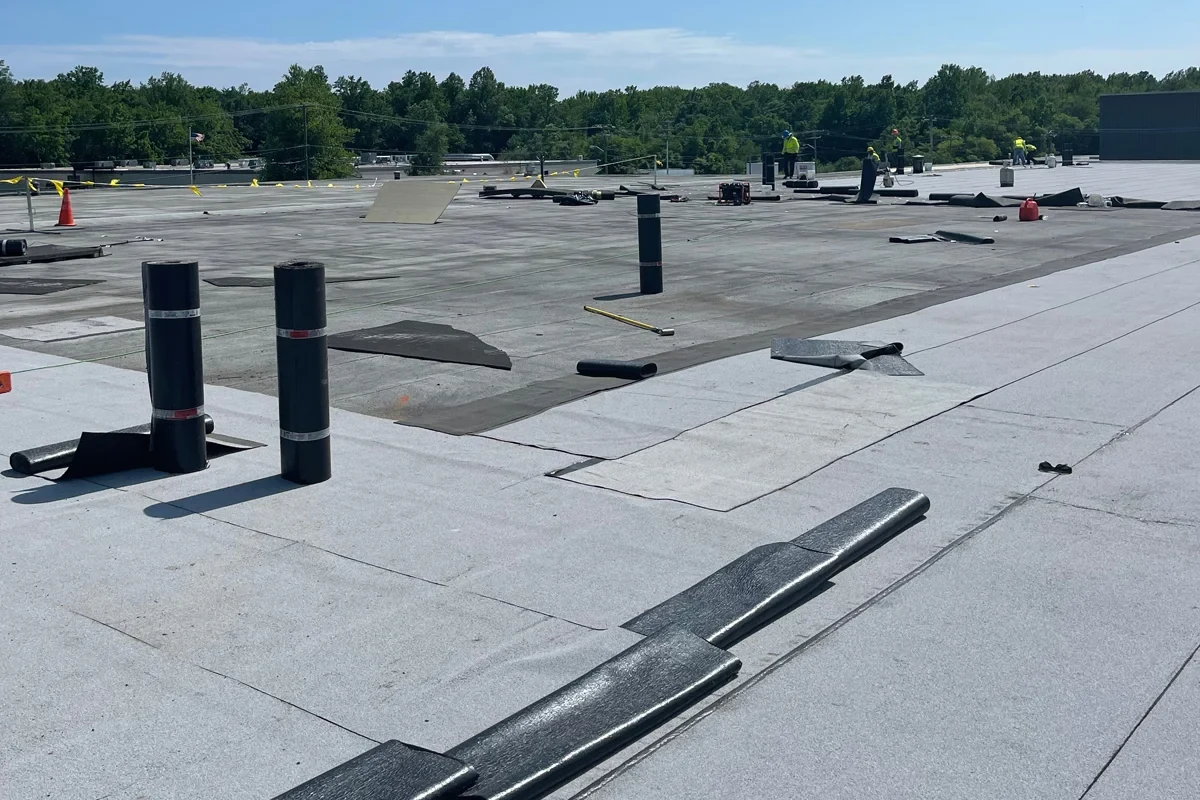
A good number of the low-slope commercial buildings downtown and around Bend's older retail corridors were roofed in modified bitumen, and we still spec it today on projects where its toughness against foot traffic and heavy snow load outweighs the lighter weight of single-ply alternatives. It's a multi-ply system built from asphalt reinforced with rubber or plastic modifiers, and it takes abuse better than almost anything else we install.
Application Method Matters More Here Than Most Places
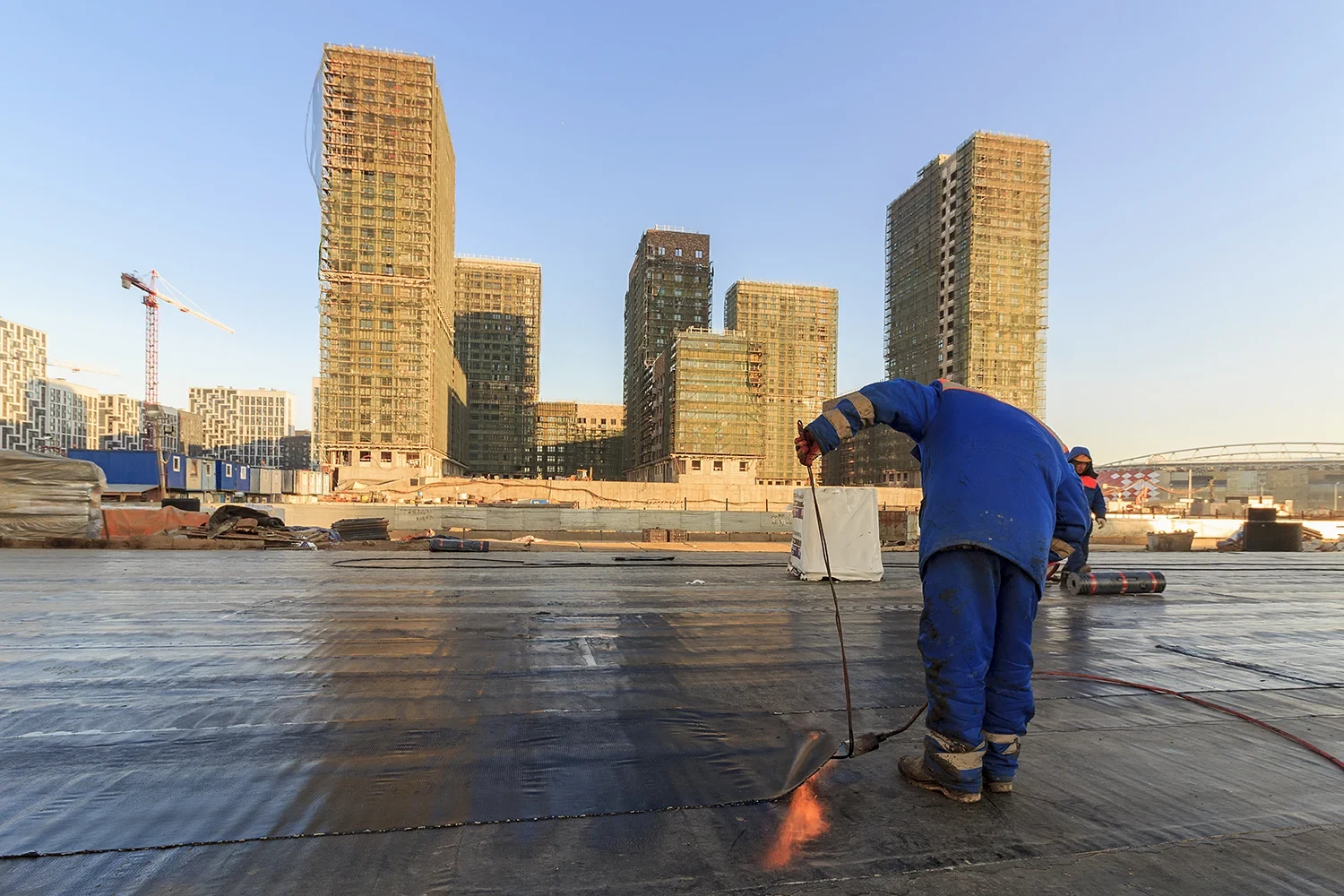
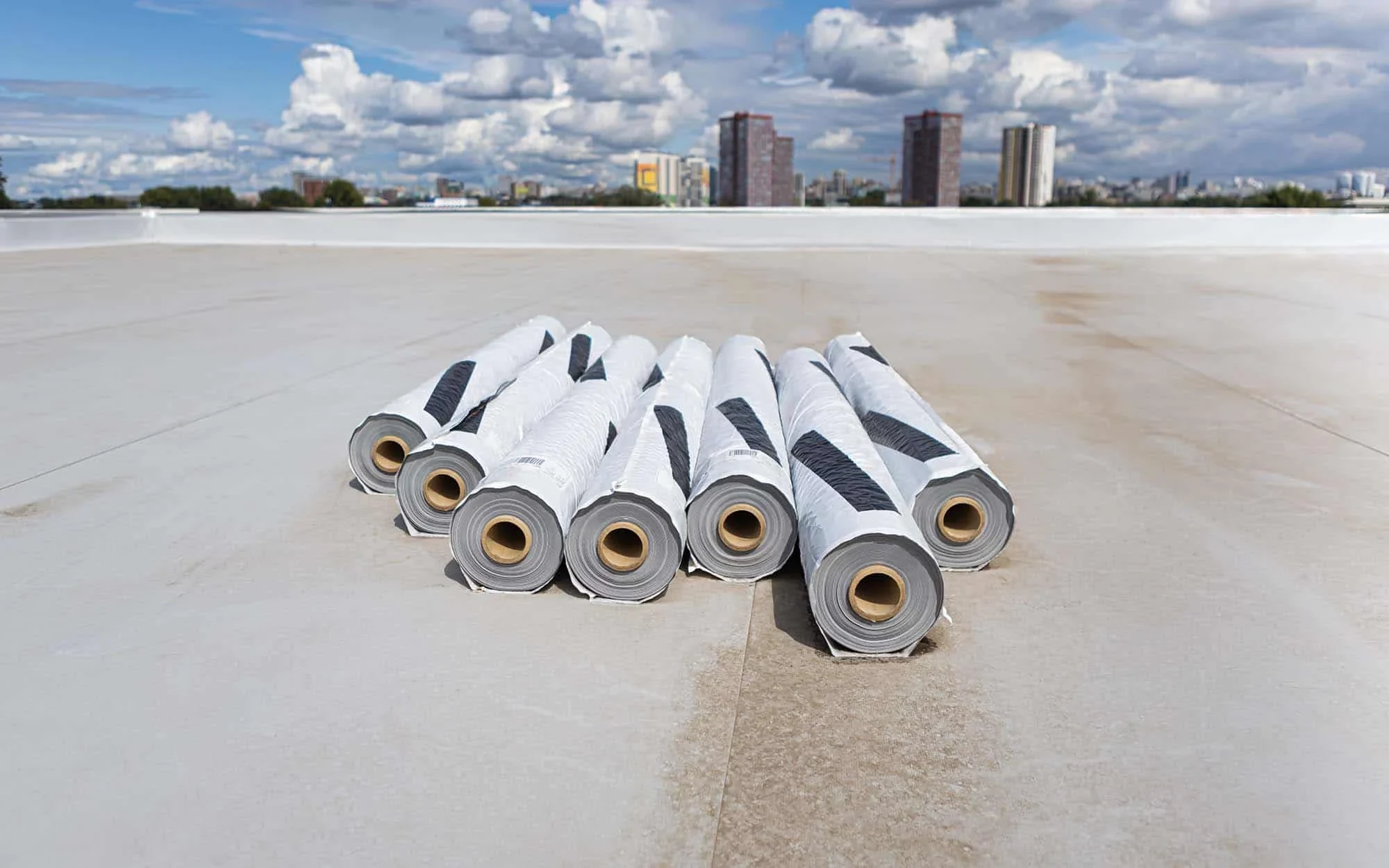
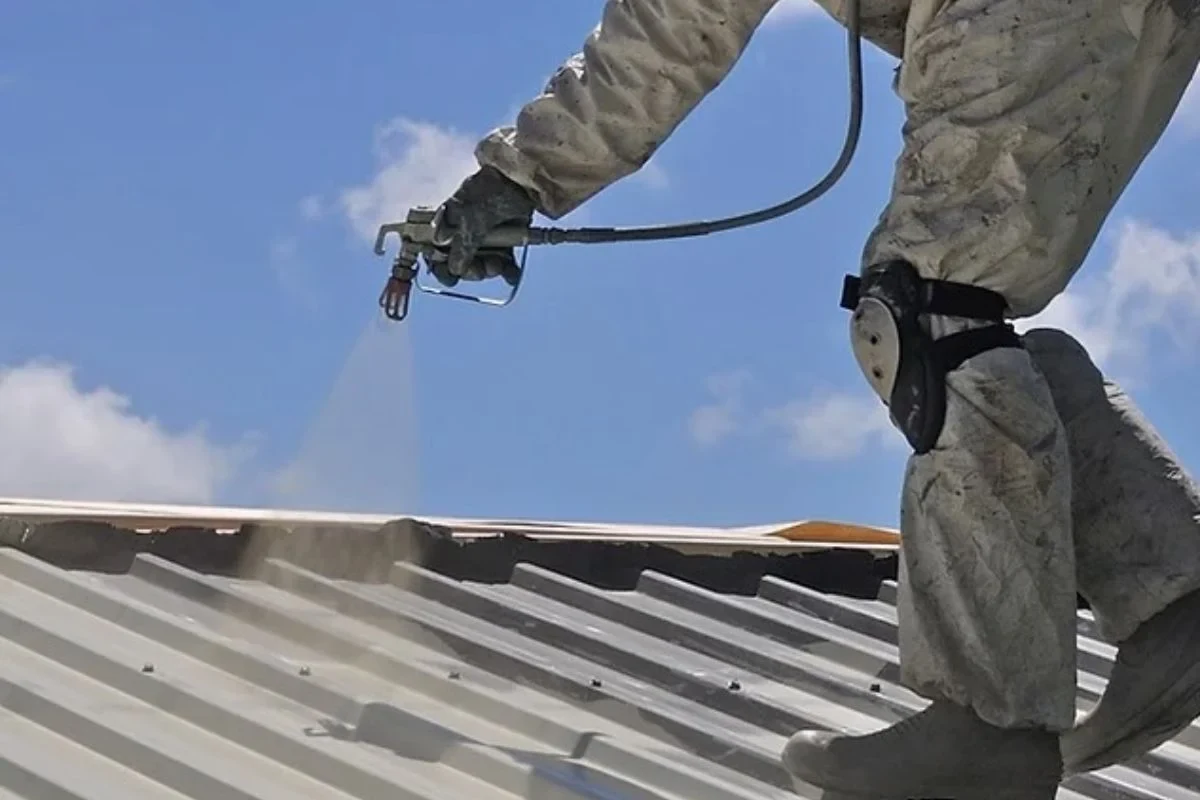
Modified bitumen can be installed torch-applied, hot-mopped, cold-applied, or self-adhered, and the choice depends on more than cost alone. Bend runs dry through summer, and wildfire smoke and elevated fire danger are a real part of the season here from July into September. We avoid open-flame torch application during high fire-danger stretches and lean on cold-applied or self-adhered systems instead when a project falls during that window, both for safety and because most municipalities and fire districts around Central Oregon restrict open-flame roofing work during red-flag conditions.
Outside of fire season, torch-applied modified bitumen still has its place on buildings where the extra bond strength matters, particularly on roofs with a lot of flashing detail or complex penetrations. We schedule those projects for spring or late fall windows when fire danger has dropped and daytime temperatures still allow the asphalt to bond properly, since torching in a hard freeze creates its own set of application problems.
Crews unfamiliar with Central Oregon's fire restrictions sometimes show up planning a torch-down install in August without checking current burn bans, and we've had to switch a job to cold-applied mid-project more than once because conditions changed faster than the schedule did. Building that flexibility into the plan from the start avoids the scramble.
Toughness Against Snow Load and Foot Traffic
The multi-ply construction of modified bitumen gives it real puncture and impact resistance, which matters on roofs that see regular maintenance foot traffic or heavy rooftop equipment. It also handles Central Oregon's snow load well because the material doesn't get brittle at the temperatures we see most winters, unlike some single-ply options that stiffen up in a hard freeze. We've pulled snow off modified bitumen roofs in January without the membrane cracking under the shovel, something we're more cautious about on thinner membranes.
That flexibility also shows up during snow removal work itself. Building owners around Bend sometimes need snow physically cleared off a low-slope roof after a heavy accumulation, and a modified bitumen surface tolerates that foot traffic and shovel contact far better than a single-ply membrane, which can tear or puncture if a crew isn't careful.
Where It Still Fits Around Bend
We spec modified bitumen most on older downtown buildings with complex roof geometry, institutional buildings with heavy rooftop mechanical equipment, and industrial buildings where a tougher wear surface justifies the added weight compared to a lighter single-ply option. It's less common on new hospitality construction going up along the Bend Parkway, where owners generally prefer the lighter weight and lower cost of TPO, but we still recommend it on renovation projects where matching an existing modified bitumen system makes more sense than a full system change.
Maintenance on an Aging Modified Bitumen Roof
Granule loss is the main aging indicator we look for, since the mineral surface protects the asphalt underneath from UV degradation and losing it accelerates every other failure mode. We also check flashing at parapets and equipment curbs closely, since modified bitumen roofs often have more field seams and flashing transitions than a single-ply system, and each one is a potential leak point after enough freeze-thaw cycling. Catching a lifted lap early, before it's actively leaking, is almost always cheaper than repairing the water damage that follows once it opens up.
What We Check on a Modified Bitumen Inspection
- Granule coverage and any bare spots exposing the asphalt to UV
- Seam and lap integrity across all plies, checked for separation
- Flashing condition at parapets, curbs, and penetrations
- Blistering or delamination from trapped moisture
- Drain and scupper function relative to Central Oregon snowmelt volume
- Evidence of foot traffic damage near rooftop equipment access
Common Questions About Modified Bitumen Here
Is torch-down roofing allowed in Bend during wildfire season?
Open-flame work gets restricted during high fire-danger periods, which typically fall in mid-to-late summer. We plan torch-applied projects around that window or switch to cold-applied or self-adhered methods when timing doesn't allow for it.
How does modified bitumen compare to TPO for a Central Oregon roof?
Modified bitumen is heavier and tougher against foot traffic and impact but less reflective than TPO, so it runs hotter under our summer sun. We recommend it more for durability-focused applications than for buildings chasing maximum energy efficiency.
Can modified bitumen handle our snow load without cracking?
Generally yes, the material stays more flexible in cold temperatures than some single-ply membranes, which is part of why it's held up well on older buildings here for decades.
What's the biggest issue you find on aging modified bitumen roofs?
Granule loss combined with flashing separation at parapets, usually from years of freeze-thaw movement working the laps loose. Caught early, both are repairable without a full tear-off.
Should I match an existing modified bitumen roof or switch systems during a renovation?
It depends on the roof's condition and the building's structural capacity, but matching the existing system is often more practical for phased renovation work where sections of the original roof will remain in place.
Related
Ready to review the roof scope?
Request a Roof Assessment