Commercial Roof Insurance Claim Assistance in Bend, OR
Roof damage documentation and adjuster coordination for Bend commercial insurance claims, built for an accurate, complete repair scope.
Commercial Roof Insurance Claim Assistance in Bend, OR
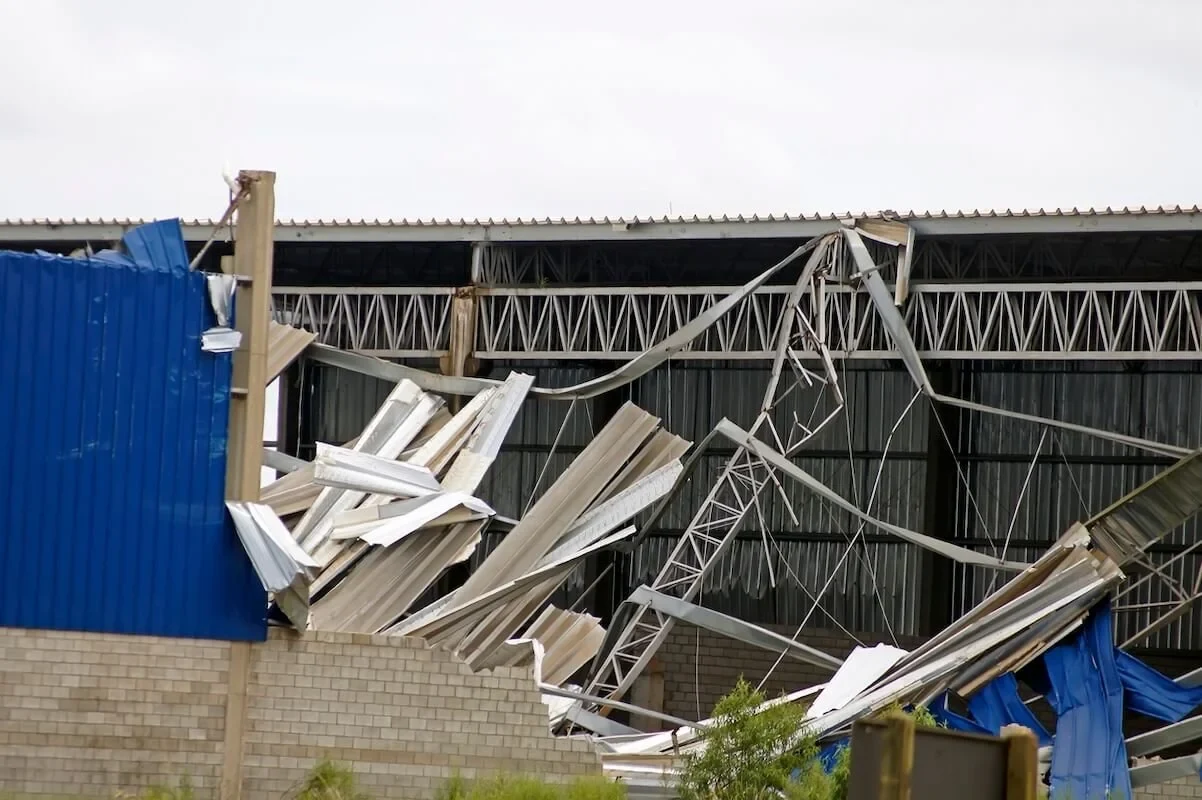
A commercial roof claim in Central Oregon usually starts the same way: a wind event off the Cascades, a heavy wet snow load, or a summer hailstorm leaves damage that isn't always obvious from the parking lot. What decides whether a claim reflects the actual scope of that damage is the documentation behind it. We're a roofing contractor, not a public adjuster, and our part in a claim is straightforward - inspect the roof, document what we find, and put together a scope that reflects everything the damage actually touched.
What a Commercial Roof Claim Requires
An insurance carrier is working from whatever record gets submitted, so the strength of a claim comes down to how complete that record is. We photograph damage by location and date, take measurements of the affected area, and note conditions - ponding depth, membrane displacement, deflection at structural members - that a written description alone won't communicate clearly. On a low-slope commercial roof, damage that looks minor from a single photo can extend across a much larger section of membrane than it first appears, which is why we document the full field rather than just the spot an owner noticed first.
Damage Documentation, Done Right
We separate what a specific storm event caused from what was already present on the roof from age or prior wear. Carriers review that distinction closely, and a report that's honest about both tends to move faster than one that attributes every flaw to the recent event. On buildings around Bend's Old Mill District and downtown core, where a lot of roofs carry a mix of older built-up sections and newer single-ply overlays, that separation matters even more - a hailstorm hits an aging membrane differently than it hits a roof installed five years ago, and the report needs to say so.
Meeting the Adjuster on the Roof
When a carrier sends an adjuster to walk the roof, we're glad to meet them up there. We point out specific failure points, answer technical questions about how a roofing system performs under wind or snow load, and explain what we found during our own inspection. We don't negotiate the claim or tell an adjuster what to approve - we make sure the technical facts about the roof are in front of them clearly, so the scope discussion starts from an accurate picture of the damage.
Building the Complete Scope
A repair estimate that only covers the visibly damaged section often misses what a proper repair actually requires. Code and manufacturer specifications sometimes call for tear-off and replacement of a wider area than the storm damage alone would suggest, and matching an existing membrane color or system on a partial repair isn't always possible once a product run is discontinued. We itemize those requirements as part of the scope - not to inflate a claim, but so the documented repair reflects everything the roof actually needs, including the parts of the failure that aren't visible from the ground.
On a mixed-use or multi-tenant building, that full-scope framing matters even more, since a partial repair that misses a code-required upgrade at one section can leave an adjacent tenant space exposed to the same failure within a season or two.
When a Claim Comes Back Underscoped
Sometimes an initial claim estimate comes back covering less than what the roof needs - a partial patch where a full section replacement is warranted, or a scope that missed damage on a part of the roof that wasn't fully inspected. When that happens, we can go back up, document what was missed with the same level of detail, and provide that additional record for the owner to bring back to their carrier. We don't manage that conversation with the insurer directly; we make sure the roofing facts supporting it are accurate and complete.
Roof Systems We Document Most
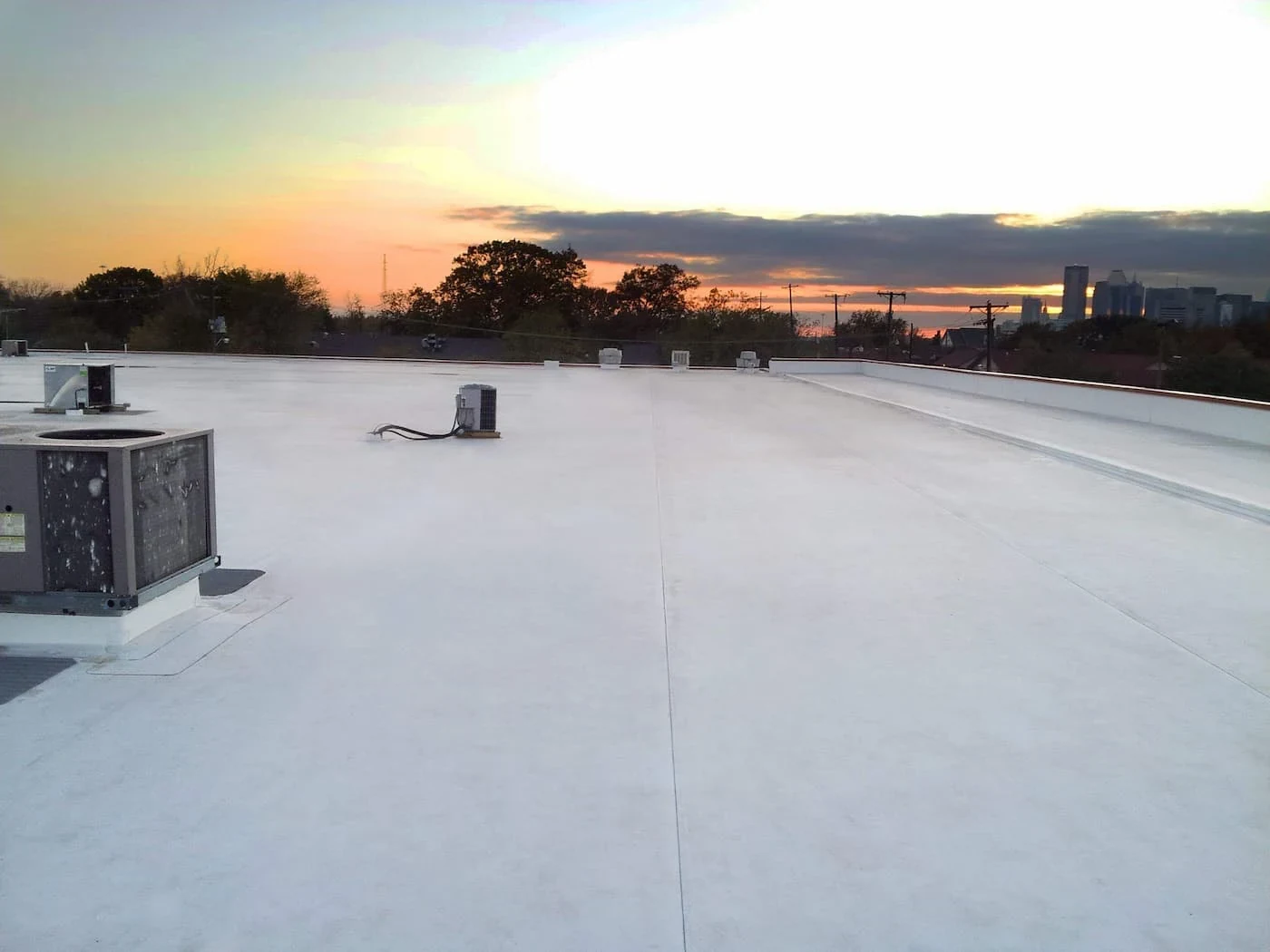
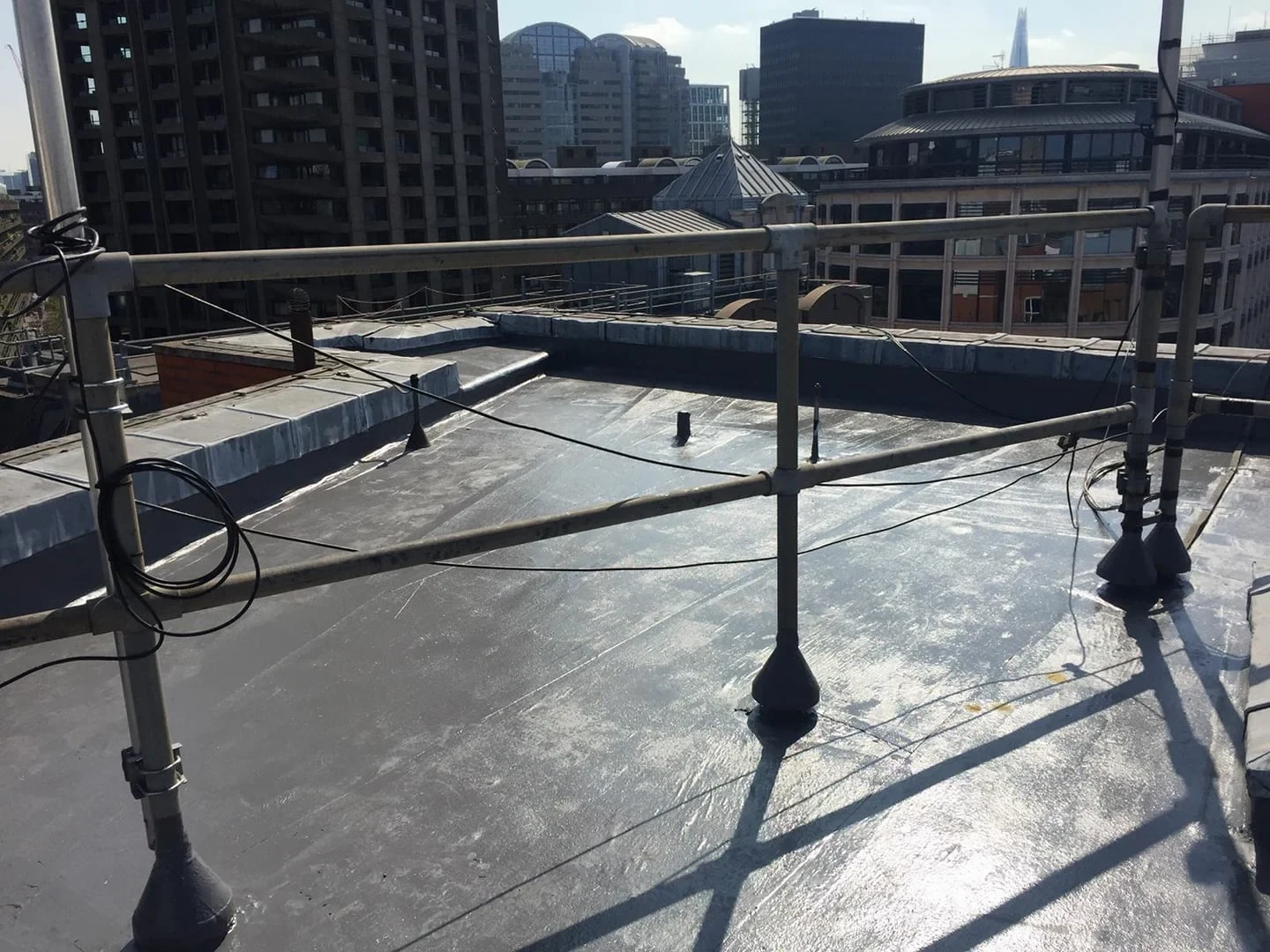
Bend's commercial building stock runs from older built-up and modified bitumen roofs downtown to newer TPO and PVC single-ply systems on more recently built retail, office, and light-industrial buildings. Standing seam metal is common on hospitality and resort-style buildings near the river and out toward Sunriver. Each system fails differently under wind, snow, or hail, and we document damage according to how that specific roofing assembly actually behaves, not a generic checklist.
We're your roofing contractor, not a public adjuster - we document and substantiate the roof damage so you and your adjuster work from an accurate scope.
Insurance Claim Questions
Does insurance cover commercial roof replacement?
It depends on the cause and the roof's condition prior to the event. A carrier reviews the documented damage and the roof's age and condition to determine what's covered, which is why an accurate, complete record matters from the start.
Will you file our claim for us?
No. Filing and managing the claim is between the building owner and their insurance carrier. Our role is inspecting the roof, documenting the damage, and providing the technical record that supports the claim.
What happens if our claim comes back underscoped?
We can reinspect the roof, document any damage that wasn't captured the first time, and provide that additional record for the owner to submit. We don't negotiate directly with the carrier on the owner's behalf.
Can you meet our adjuster on-site?
Yes. We regularly walk roofs with adjusters, point out specific damage, and answer technical questions about the roofing system and how the damage likely occurred.
How long does documentation take after a storm?
Most inspections happen within a day or two of a reported event, weather and access permitting. We prioritize documentation quickly because some damage, especially wind-lifted membrane, can worsen before the next storm if it isn't caught early.
Do you handle both the claim documentation and the eventual repair?
Yes. Once a claim is settled, we scope and complete the actual repair or replacement based on what the roof needs, using the same inspection record that supported the claim.
Related
Ready to review the roof scope?
Request a Roof Assessment