Silicone Roof Coatings in Bend, OR
Silicone roof coatings for Bend buildings extending an aging membrane's life, chosen for UV resistance and ponding tolerance in a high-desert climate.
Silicone Coatings for Extending Roof Life in Bend
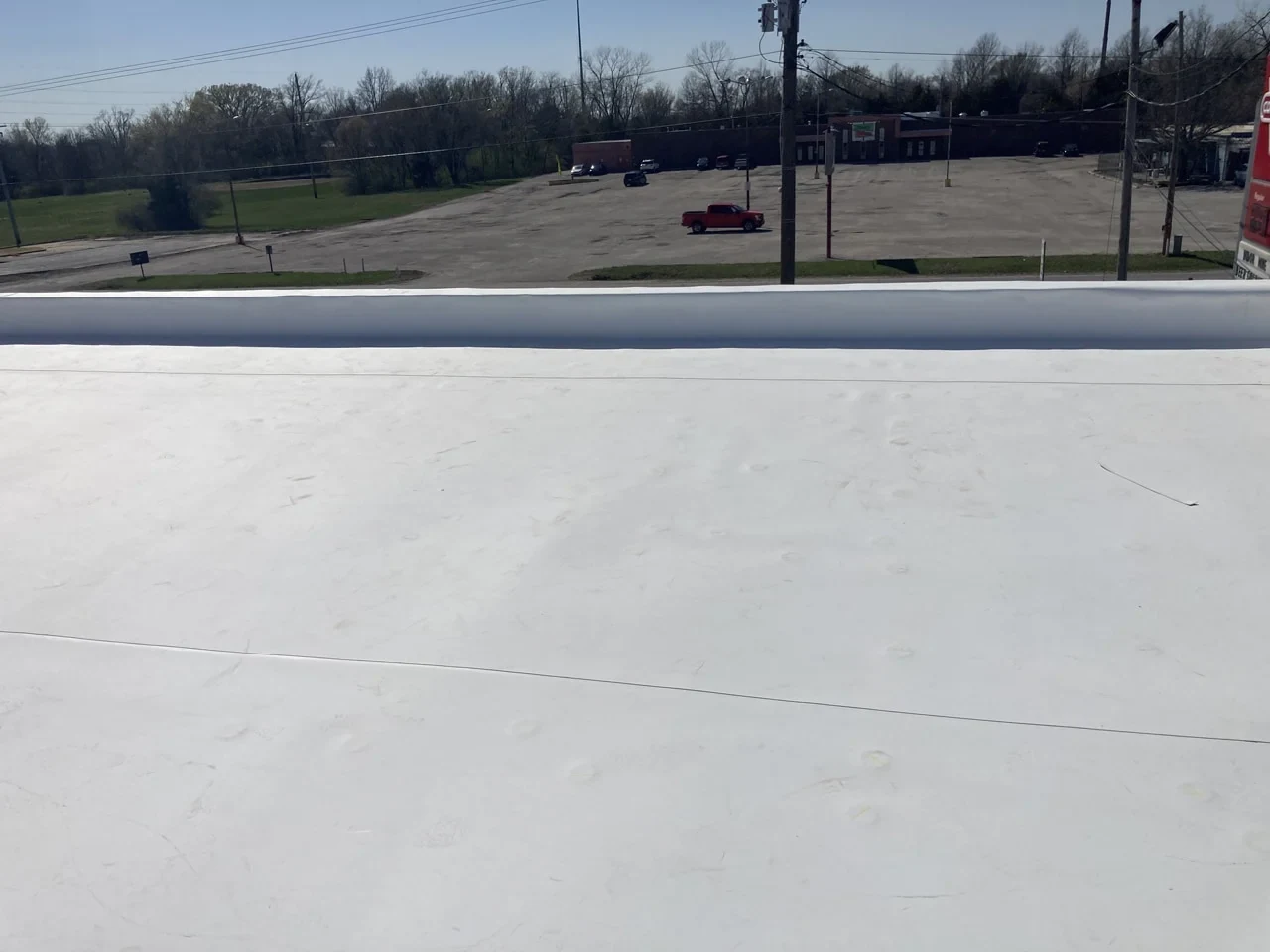
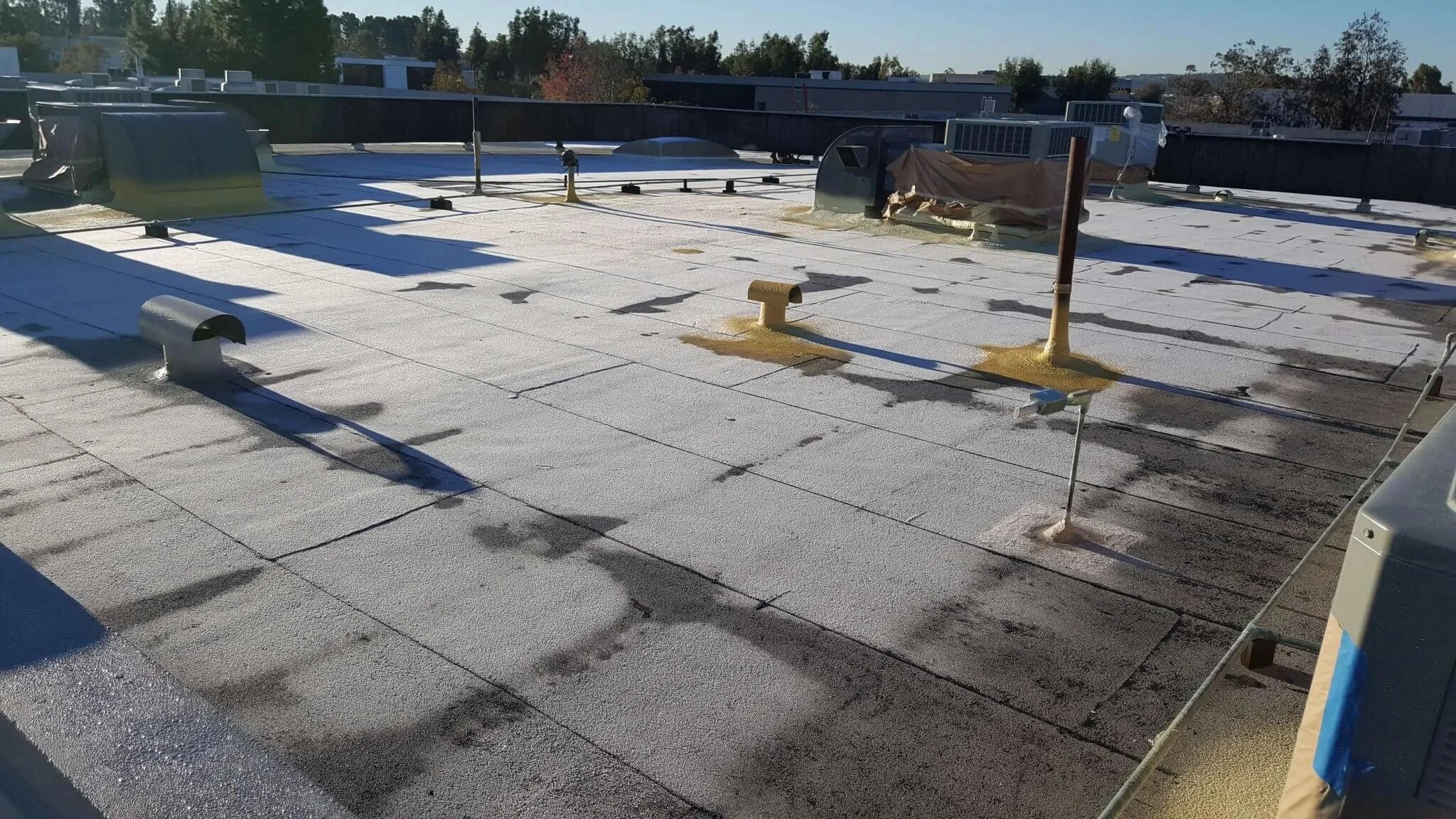
A silicone coating is often the smartest move on a Bend commercial roof that's aging but not yet failing - the membrane is still attached and the deck is dry, but UV exposure at our elevation has chalked the surface and pulled reflectivity down further than the owner wants to keep paying for in cooling costs. We treat coating as a restoration option, not a patch to buy time before an inevitable tear-off.
When a Coating Beats a Tear-Off
Coating only makes sense over a roof that's structurally sound and dry underneath. We confirm that with core cuts before recommending it - a coating applied over wet insulation traps moisture in the assembly and accelerates the exact failure the owner was trying to avoid. When the deck and insulation check out dry, though, a properly prepped and applied silicone coating can add real years to a roof that would otherwise be heading toward full replacement.
We see the best candidates on roofs in the eight-to-fifteen-year range where the membrane is intact but showing UV wear, rather than roofs with active leaks or widespread seam failure. A coating restores surface protection; it doesn't fix a membrane that's already failing structurally.
Ponding Resistance After Spring Snowmelt
Bend's spring thaw sends a lot of meltwater across low-slope roofs in a short window, and any roof with drainage that's slower than it should be ends up holding standing water in low spots for days at a time. Silicone coating handles sustained ponding better than most other coating chemistries, which matters here specifically because of how concentrated that snowmelt runoff period tends to be.
We still address the underlying drainage issue where we can - tapered insulation crickets behind curbs, cleared scuppers, unclogged drains - rather than relying on the coating alone to tolerate standing water that shouldn't be sitting there in the first place. A coating buys margin; it isn't a substitute for fixing drainage that's actually broken.
UV Protection for a Roof That's Already Losing Reflectivity
At roughly 3,600 feet, thinner air filters less ultraviolet radiation than a coastal or valley-floor market deals with, and that accelerated UV exposure is usually what's driving the chalking and reflectivity loss we see on aging Bend roofs in the first place. A fresh silicone coating restores reflective surface protection and gives the underlying membrane a renewed UV barrier rather than leaving it exposed and continuing to degrade.
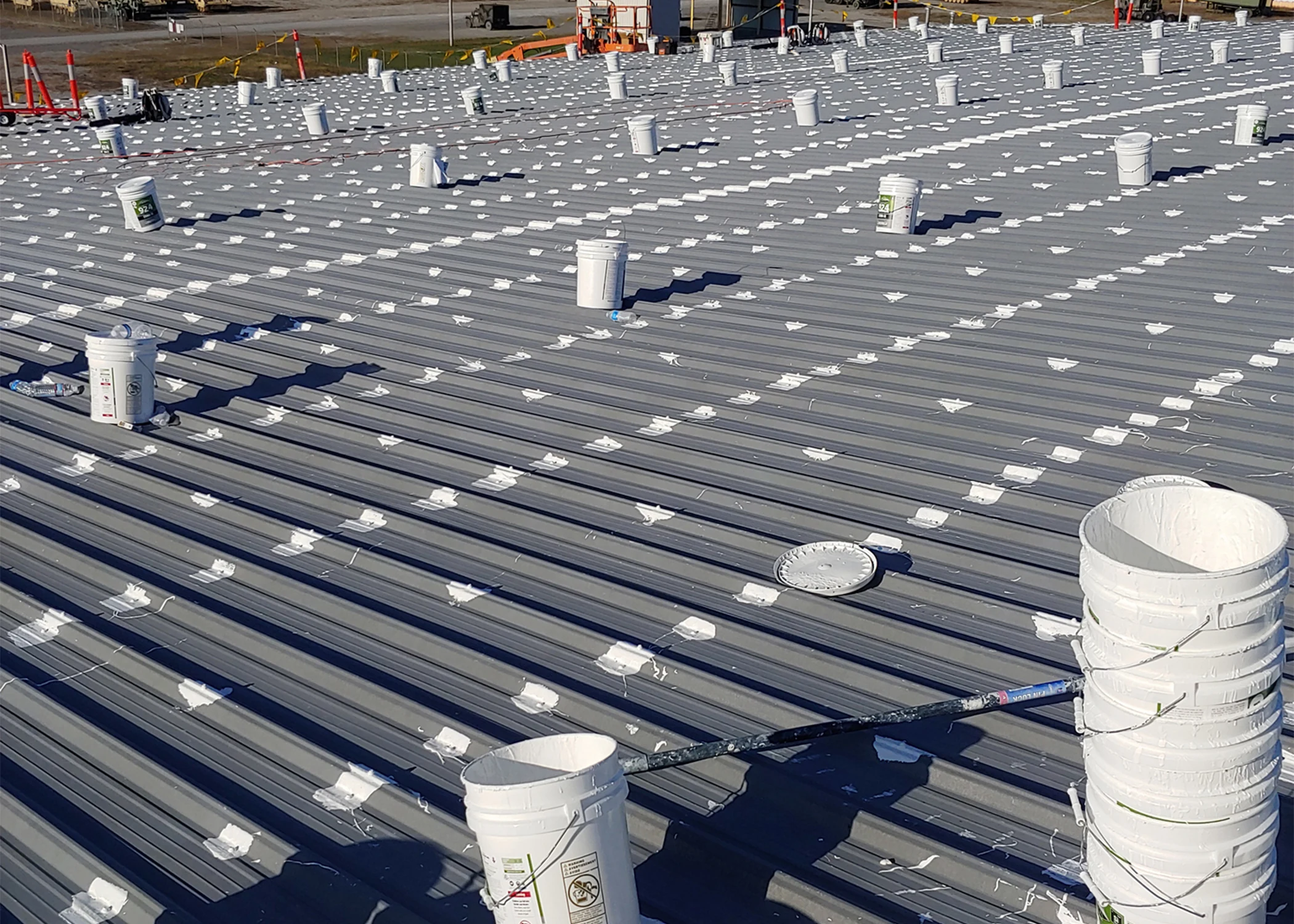
We test coating thickness across the roof after application rather than assuming an even spray pattern, since thin spots undercut the UV protection the coating is supposed to provide and tend to show wear again faster than the rest of the field.
Application Windows Around a Short Wet Season
Central Oregon's dependable dry stretch runs roughly May through early October, and silicone coating needs a clean, dry substrate and stable weather to cure properly. We don't start a coating application if rain or an overnight freeze is in the forecast before the material has had time to set, since a coating rained on before it cures can lose adhesion or finish with an uneven surface.
That narrow window means scheduling coating work early in the season when possible, especially on larger roofs where the full application and cure cycle takes several days from start to finish.
Coating Prep on Roofs With Wind-Scoured Granules
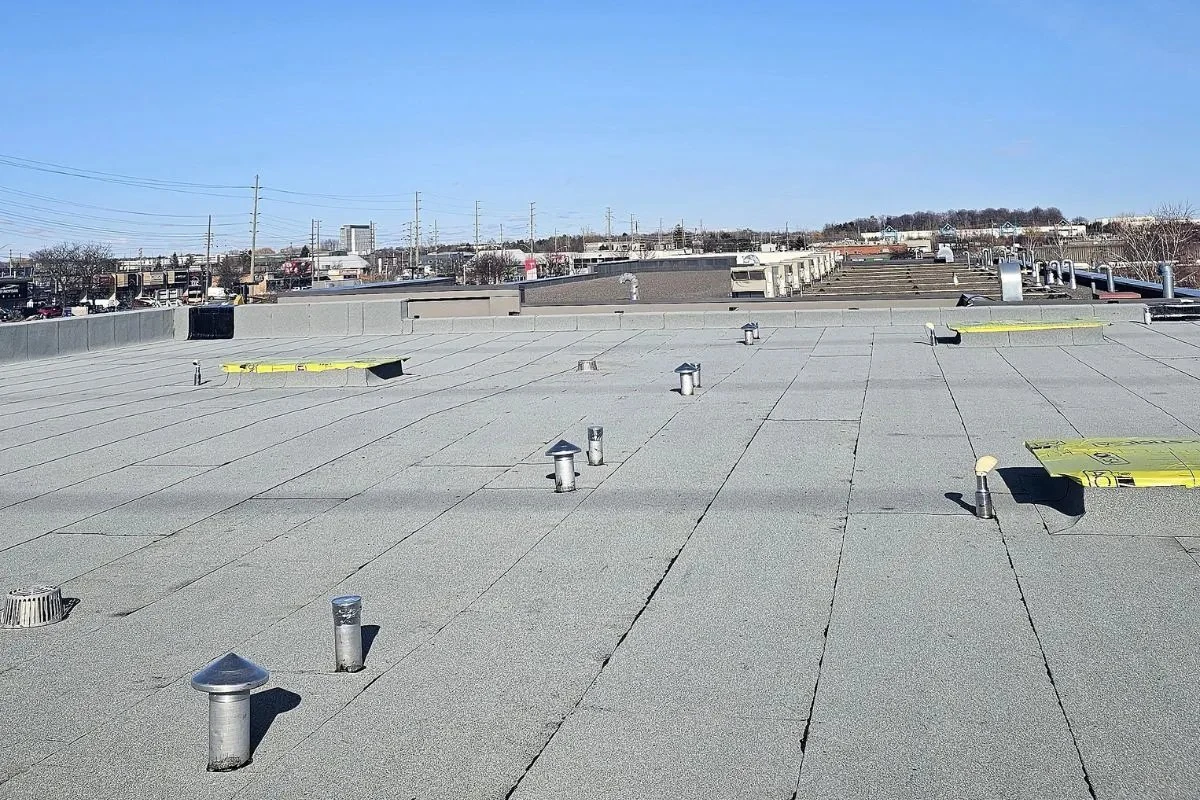
Older modified bitumen and some single-ply roofs here have taken a beating from wind-driven debris and years of freeze-thaw cycling, leaving uneven granule loss, chalking, or minor surface cracking. Coating prep on these roofs means more than a rinse - pressure washing, spot repairs at cracked or lifted areas, and reinforcing fabric at seams and penetrations before the coating goes on.
Skipping that prep step is the most common reason a coating job underperforms. A few things we check before applying:
- Surface cleanliness and removal of chalking, dirt, or wildfire-season soot buildup
- Seam and lap condition, with reinforcing fabric added where needed
- Pipe boot, curb, and penetration flashing repair ahead of coating
- Moisture scan or core cuts confirming a dry deck and insulation
- Ponding areas addressed with tapered fill or drainage correction
- Manufacturer-specified coating thickness and number of coats for the substrate
Maintenance After a Coating Application
A coated roof still needs periodic inspection, particularly at seams, penetrations, and any low spots where ponding tends to recur. We recommend a walk-through after the first winter following a new coating application to catch anything that moved during the roof's first full freeze-thaw cycle under the new surface, and again after fire season to check for soot buildup affecting reflectivity.
Recoat intervals depend on the coating thickness applied and how much UV and weather exposure the roof takes each year, but a well-prepped and properly applied silicone coating on a Bend roof typically holds up for a solid stretch before needing a maintenance recoat.
Questions About Silicone Roof Coatings in Bend
How do you know if a roof is a good coating candidate?
We confirm the deck and insulation are dry with core cuts, and that the existing membrane is intact without widespread seam failure or active leaks. A sound but UV-worn roof in the eight-to-fifteen-year range is usually the best candidate.
Does silicone coating really handle standing water better than other options?
Yes, silicone tolerates sustained ponding better than most other coating chemistries, which matters here given how much meltwater moves across low-slope roofs during spring thaw. We still recommend fixing the underlying drainage issue where possible.
What time of year do you apply coatings in Bend?
Typically within the May-through-early-October dry window, since the coating needs stable weather and a dry substrate to cure properly without rain or overnight freeze interference.
Can a coating be applied over an EPDM or TPO roof?
Often yes, with the right primer and prep work matched to the specific membrane. We confirm compatibility and surface condition before recommending it.
How long does a silicone coating last on a Bend roof?
It depends on coating thickness and yearly UV and weather exposure, but a properly prepped and applied coating typically provides a solid extension of the roof's service life before a maintenance recoat is needed.
Related
Ready to review the roof scope?
Request a Roof Assessment